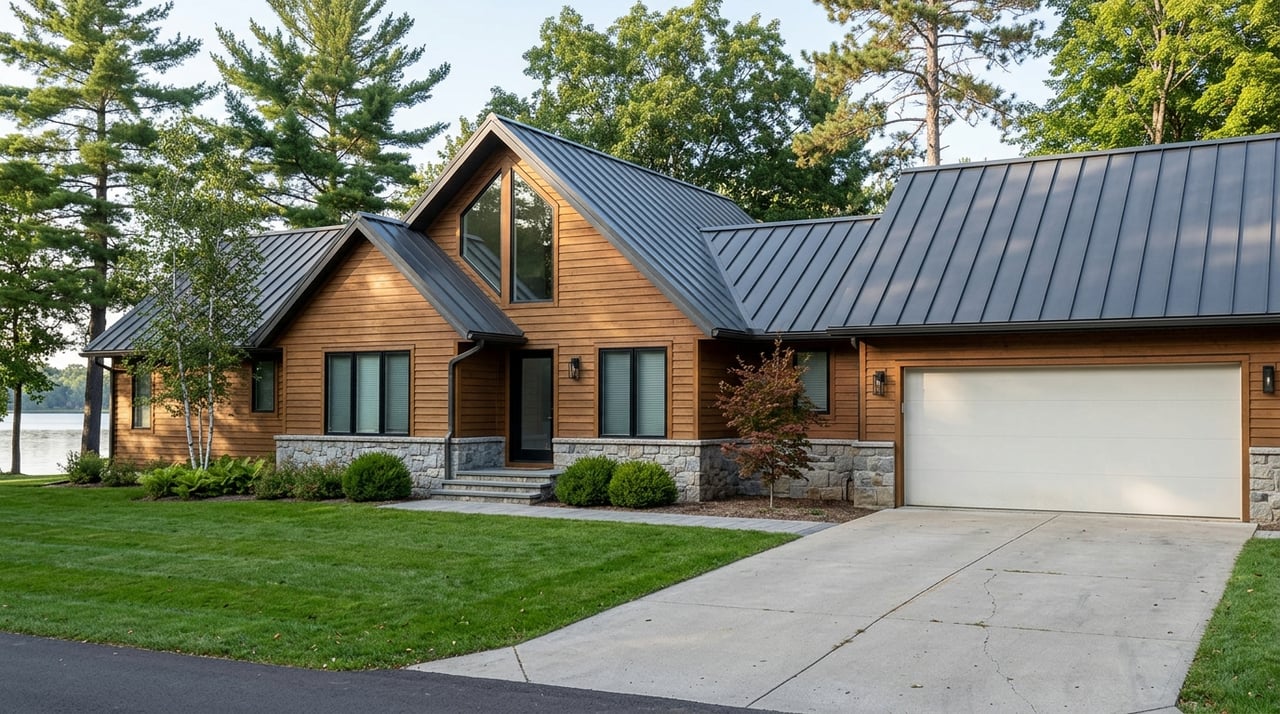
If you are torn between a waterfront home and an in-town home in Bemidji, you are not alone. Both options can be great long-term fits, but they serve very different day-to-day needs. The key is knowing whether you want your home to prioritize lifestyle, convenience, or a balance of both. Let’s dive in.
Why this choice matters in Bemidji
In Bemidji, this decision is more than just picking a view or a street address. The city is the county’s employment center, with about 67% of Beltrami County jobs located there, and the average commute is 17.4 minutes. That means where you live can shape your routine in a very practical way.
At the same time, Bemidji offers something many smaller markets do not. The housing stock is mixed, with detached homes, attached homes, smaller multi-unit properties, and larger apartment-style buildings all part of the local landscape. For you, that means in-town living can look very different depending on your budget, maintenance goals, and preferred home style.
What waterfront living usually offers
Waterfront is often a lifestyle-first purchase
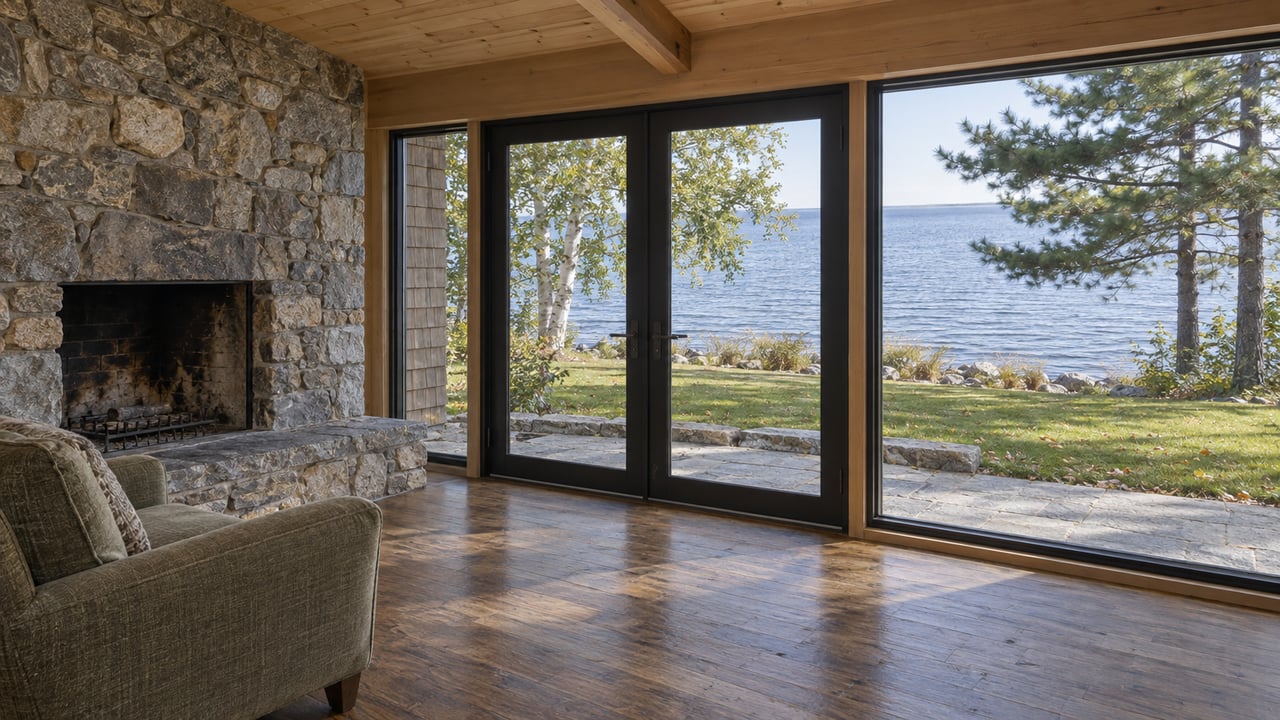
A waterfront home in Bemidji is usually about more than the house itself. It is often a choice centered on daily lake views, boating, fishing, swimming, trail access, and the feel of being close to the water year-round. If that kind of setting is part of how you want to live every day, waterfront can be very appealing.
Lake Bemidji and nearby recreation areas help shape that experience. City and visitor information highlight shoreline parks, seasonal marina access, and nearby trail and beach access, while Lake Bemidji State Park sits about 7 miles north of Bemidji and offers swimming beach and lake access. For many buyers, that makes waterfront feel like a home and a lifestyle purchase at the same time.
Waterfront usually comes with a higher price point
The county data shows a clear premium for waterfront homes. In 2024, the median waterfront sale price in Beltrami County was $380,000, compared with $266,750 for non-waterfront homes. That difference can have a big impact on what you can afford and how much home you get for your budget.
Waterfront is also a more specialized part of the market. From 2015 to 2024, waterfront properties made up 17% of home sales in the county. That smaller share helps explain why waterfront homes often appeal to a narrower group of buyers than in-town homes do.
Waterfront ownership can mean more rules and upkeep
Lake access and views can be a major draw, but they often come with extra layers of responsibility. In the City of Bemidji development code, Lake Bemidji is included in the city’s shoreland overlay district. That means shoreland parcels must meet both the underlying zoning rules and the shoreland rules before permits are issued.
Minnesota DNR guidance says shoreland standards are designed to protect water quality. Those standards can affect setbacks, height, impervious surface coverage, vegetation removal, and land alteration. If you are considering a waterfront property, it is important to think not just about the home today, but also about what future projects or improvements may involve.
If a property is outside city service limits, there may be septic-related obligations too. Beltrami County notes that shoreland generally includes land within 1,000 feet of a lake or 300 feet of a river, and county septic permits and inspections apply where subsurface sewage systems are used. That can add another layer of due diligence for buyers comparing lake property to an in-town home with city utilities.
What in-town Bemidji living usually offers
In-town living is often convenience-first
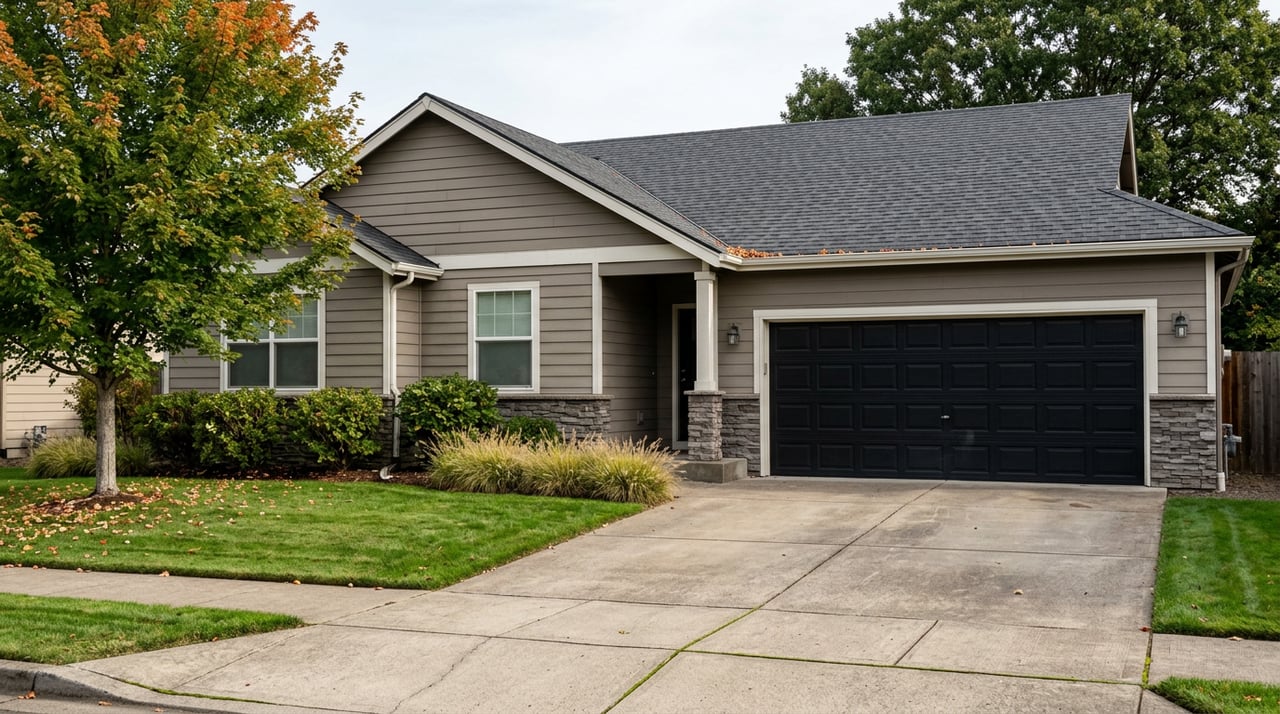
If your top priority is making everyday life easier, an in-town home may be the better fit. Bemidji residents benefit from municipal water, sanitary sewer, and refuse pickup within the city. For many buyers, that means fewer infrastructure concerns and a more predictable ownership experience.
That convenience matters even more when paired with local work and daily errands. With a citywide mean commute of 17.4 minutes and Bemidji serving as the county’s main employment center, living in town can help simplify your weekly routine. If your home needs to support work, school schedules, appointments, and easier access to city services, in-town living often checks those boxes.
In-town buyers usually have more housing choices
One of Bemidji’s strengths is variety. The local housing needs analysis estimated the city’s median home value at $189,500, and the housing stock includes roughly 46.5% one-unit detached homes, 7.3% one-unit attached homes, 18.4% buildings with 2 to 19 units, and 21.6% buildings with 20 or more units. In simple terms, that gives you more options if you are not set on one exact property type.
That mix also helps explain why in-town Bemidji feels different from the waterfront market. You may be choosing between older homes in the central part of the city, newer homes along the outer edges, or attached options like townhomes and duplex-style properties. If flexibility matters to you, in-town inventory often creates more paths to a workable choice.
Newer in-town development adds options
Recent construction patterns also support that wider range of choices. From 2015 to 2024, Bemidji permitted 807 new housing units. Of those, 76% were multifamily, 17% were detached single-family homes, and 9% were attached single-family homes such as townhomes.
That does not mean every buyer should choose a multifamily or attached home. It does mean the in-town market tends to offer more variety in price point, size, and maintenance level than the waterfront segment. If you want to compare several different lifestyles before making a decision, in-town Bemidji often gives you more flexibility.
How to compare the two
Start with your daily routine
A simple question can clarify a lot: how do you want your home to serve you Monday through Friday? If daily lake access, water views, and a more recreation-oriented setting are central to your lifestyle, waterfront may justify the higher cost and extra ownership considerations. If your priority is easier commuting, simpler utilities, and lower day-to-day maintenance complexity, in-town may make more sense.
It helps to picture your actual habits, not just your ideal weekend. A home that looks perfect on paper can feel less practical if it does not support your regular routine. The better fit is usually the one that aligns with how you will live there most of the time.
Compare ownership burden, not just purchase price
It is easy to focus only on the sale price, but ownership costs and responsibilities matter too. Waterfront homes may bring shoreline restrictions, permitting considerations, vegetation limits, and possible septic obligations depending on location. In-town homes often trade those issues for city-service convenience and fewer property-specific infrastructure decisions.
That does not make one option better across the board. It just means the true cost of ownership includes your time, maintenance tolerance, and future plans for the property. A smart decision comes from comparing the full picture.
Think about resale demand
Resale matters, even if you plan to stay for years. County data shows homes priced between $200,000 and $299,999 have been the most commonly purchased since 2023, accounting for 31.9% of county resales. That suggests homes in or near that range may connect with a broader pool of buyers.
Waterfront homes can still resell well, but the buyer pool is often more specialized. The county’s housing analysis says waterfront homes spent more time on the market than non-waterfront homes in every year from 2015 to 2025. In practical terms, a waterfront home may offer strong lifestyle value, but in-town homes often align with broader market demand.
Questions to ask before you choose
Before you decide, ask yourself:
- Is lake access a daily priority or mostly a nice bonus?
- Are you comfortable with shoreland rules, setback limits, and possible septic-related obligations?
- Do you want the convenience of city water, sewer, and refuse service?
- Would your budget go further with an in-town home?
- Are you buying for personal lifestyle first, resale flexibility first, or a balance of both?
Your answers can reveal which path makes more sense. In Bemidji, waterfront tends to be a lifestyle-first purchase, while in-town living is usually a convenience-first purchase.
The best choice depends on how you live
There is no one-size-fits-all answer here. If you want the experience of living by the water and you are prepared for the price premium and added rules that can come with shoreland property, waterfront may be worth it. If you want a home that supports everyday convenience, offers more housing types, and may be easier to maintain long term, in-town Bemidji may be the stronger fit.
The good news is that both options can be smart. What matters most is matching the property to your budget, your routine, and your long-term goals. If you want help weighing the pros and cons in real neighborhoods around Bemidji, the team at Parker Cermak is here to help you compare options with local insight and clear guidance.
FAQs
Should I buy a waterfront home in Bemidji for lifestyle or resale?
- In Bemidji, waterfront homes are usually more lifestyle-driven purchases, with higher median prices and a more specialized buyer pool than non-waterfront homes.
Are Bemidji waterfront homes subject to shoreland rules?
- Yes. Lake Bemidji is included in the City of Bemidji’s shoreland overlay district, and qualifying properties must meet both zoning and shoreland requirements before permits are issued.
Do in-town Bemidji homes usually have city utilities?
- Yes. City residents typically have municipal water, sanitary sewer, and refuse pickup, which can reduce some property maintenance responsibilities.
Is it easier to find more housing options in town than on the water in Bemidji?
- Generally, yes. In-town Bemidji includes detached homes, attached homes, and multifamily housing, giving buyers a wider range of property types and price points.
Do waterfront homes in Beltrami County usually cost more than non-waterfront homes?
- Yes. In 2024, the median waterfront sale price was $380,000, compared with $266,750 for non-waterfront homes.
What price range has the strongest resale activity around Bemidji?
- Since 2023, homes priced between $200,000 and $299,999 have accounted for the largest share of county resales at 31.9%.