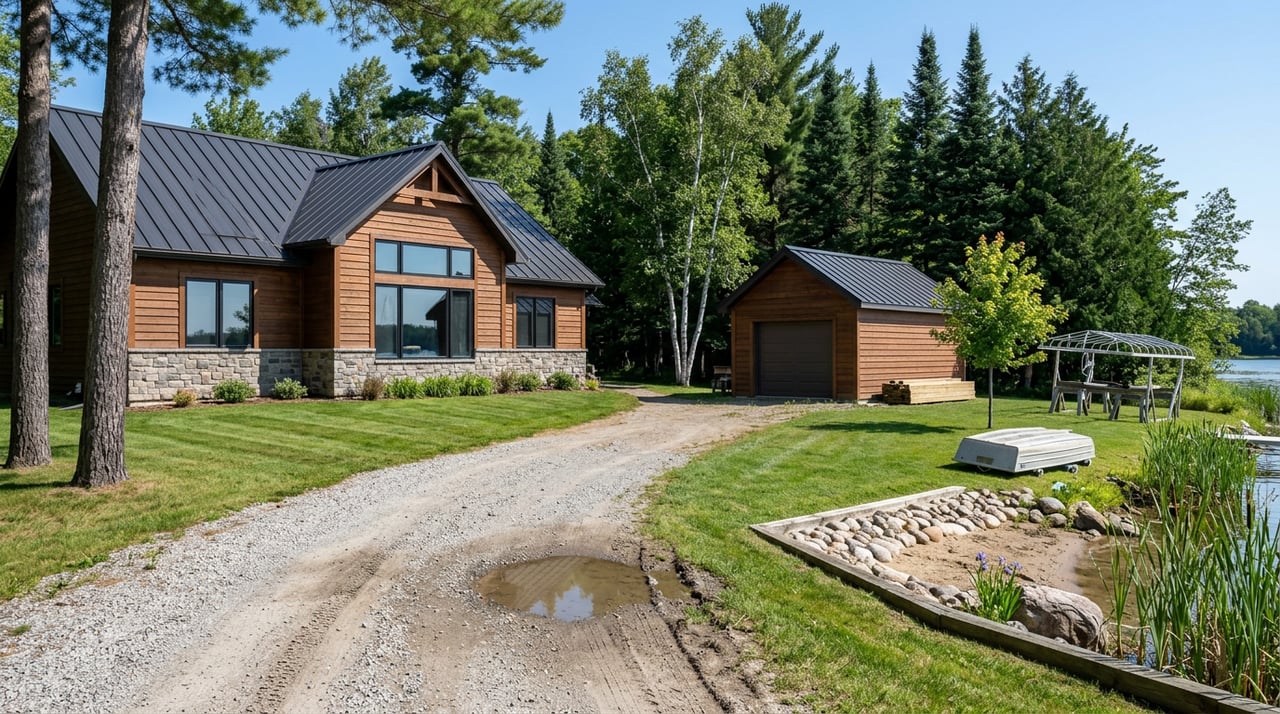
Picture your morning starting on a quiet dock, the sun warming the pines, and clear water at your feet. If you are considering Cass Lake in 56633, you are on the right track. This lake offers deep, clear water, big-water boating, and a true Northwoods setting. In this guide, you will learn how to read a shoreline, what permits matter, how septic and wells work at closing, and the key steps to protect your purchase. Let’s dive in.
Why Cass Lake stands out
Cass Lake is one of northern Minnesota’s premier big lakes. The main basin spans about 15,596 acres with a maximum depth near 120 feet and a mean depth around 25 feet. Several islands, including Star Island and Cedar Island, add to the scenery and create a mix of exposed and protected waters. You can confirm these facts in the Minnesota DNR’s Cass Lake fisheries plan, which also outlines the lake’s structure and management approach. Read more in the official Cass Lake fisheries management plan.
Fishing is a major draw. The DNR manages Cass primarily for walleye and also documents strong populations of muskellunge, northern pike, and perch. The plan notes aquatic invasive species in the system, including zebra mussels detected in 2014 and the spread of rusty crayfish. Expect to follow AIS best practices when you move docks and lifts.
A unique detail for buyers: Cass Lake lies within the boundaries of the Leech Lake Indian Reservation and the Chippewa National Forest. Depending on the specific parcel’s ownership and status, you may experience additional coordination for certain permits or projects. The DNR plan provides helpful context on this regional setting and why it shapes development and access.
Lot types and tradeoffs
Cass Lake’s shoreline varies a lot. You will find sandy stretches, cobble, and points with quick depth changes, plus quieter bays and bars. Your experience on the water depends on the lot type you choose.
Deep-water point lots
These lots often have panoramic views, quick boat access to main-lake waters, and strong breeze exposure. They can see more wave action, which may require riprap or rethinking dock placement. Views and boating are excellent, while swimming may vary with wave energy on windy days.
Sheltered bay lots
Protected bays are great for calmer swimming and paddling. They can be shallower and may limit boat draft in late summer. You tend to get quieter water and less traffic, which many buyers love for young swimmers or relaxing off the dock.
Channel or narrows lots
Where basins connect, you may see more boat traffic and some current. Access is convenient, and you can reach different parts of the lake quickly. Confirm water depth for your boat and understand any no-wake rules that may apply near your shoreline.
Island or forested parcels
These settings deliver privacy and a true Northwoods feel. On islands, consider access logistics, winter storage, emergency services, and utility options. Forested uplands often mean beautiful views, but you will want a survey to confirm buildable areas and setbacks.
Key variables to compare
- Frontage width and nearshore depth affect dock options and boat draft.
- Slope impacts driveway, septic placement, and view corridors.
- Substrate (sand, cobble, muck) informs swimming and beach potential.
- Wind exposure shapes wave energy, ice push risk, and dock design.
Cass County shoreland guidance also encourages native vegetation buffers over most of the frontage and limits intensive clearing within the Shore Impact Zone. Natural vegetation helps protect water quality and is recommended as the best defense against ice-ridge damage. See the county-focused Minnesota Shoreland Homeowner’s Guide for practical buffer tips.
Shoreland rules and buildability
Minnesota sets baseline shoreland standards and local governments implement them. Structure setbacks, lot minimums, and standards vary by lake classification and whether the area is sewered or unsewered. That means there is no single “setback number” that applies to every Cass Lake parcel.
Before you fall in love with a view, have your agent confirm the parcel’s shoreland classification and the applicable local ordinance. Review the state framework in Minnesota’s shoreland rules, Chapter 6120, for context on classifications and common limits. You can scan the overview in Chapter 6120 shoreland rules. The county’s planning staff can then confirm your parcel-specific standards and any recent updates.
Docks, beaches, and boathouses
On Cass Lake, several entities can regulate shoreline work. Think of it as three layers working together. The DNR covers public waters and work below the Ordinary High Water Level. Cass County Environmental Services issues shoreland alteration permits, reviews work in the Shore Impact Zone, and handles septic approvals. HOAs or recorded covenants can also affect dock placement or shared-slip rights. If land is tribal or federal, additional coordination can apply.
The DNR generally does not require a public waters work permit for seasonal, floating docks and lifts if they meet limits and do not obstruct navigation, fish spawning, or water flow. Permanent docks, dredging, in-water fill, and enclosed or roofed boathouses usually trigger permits or may be prohibited. Read the state’s plain-language guidance in DNR Public Waters Work Permit basics.
Cass County implements shoreland rules on vegetation clearing, dirt moving in the Shore Impact Zone, dock setbacks from lot lines, and new beach width limits. Ask for copies of any shoreline alteration or dock approvals attached to the property and review the county’s homeowner guide for specifics. The Cass County shoreland guide is a useful primer.
Dock and beach due diligence
- Ask the seller for a current survey showing the OHWL and lot corners.
- Request copies of any DNR public waters permits, county shoreland alteration permits, and HOA covenants.
- Confirm whether docks or slips are shared and obtain recorded easements or agreements.
- If you plan changes, consult a shoreline engineer or specialist early.
- For winter, confirm where docks and lifts are stored and follow county and DNR AIS decontamination guidance. Start with the county’s Environmental Services quick links for programs and contacts.
Septic, wells, and title
Most lake homes rely on an individual septic system (SSTS). In many Minnesota transactions, a compliance inspection and a valid Certificate of Compliance are required at transfer or for new permits. If winter prevents inspection, many counties allow a “winter agreement” with a clear deadline to complete it after the ground thaws. See key triggers and timelines in Minnesota SSTS rules, Chapter 7082.
Minnesota also requires well disclosure at closing. The seller must disclose the location and status of wells, and buyers should order independent water testing that includes coliform and nitrate, and consider manganese or arsenic as advised. Learn how the process works through the MDH well disclosure guidance.
Title work should verify riparian rights, any recorded access or dock easements, and HOA or marina agreements. Because Cass Lake lies within the Leech Lake Reservation and the Chippewa National Forest, parcel ownership can be tribal trust, tribal fee, federal, or private. That status can affect permitting or land-use details. The Cass Lake DNR plan is a helpful backdrop as you confirm parcel-specific title and jurisdiction with your closing team.
Recommended inspections include a certified SSTS compliance inspection, private well sampling by an MDH-certified lab, a current boundary survey with an OHWL delineation, and a shoreline or erosion review if bluffs are present. Ask your agent to also request a permit history for docks and shoreline work from the county and the DNR.
Financing, insurance, and timing
Financing on lakefront can look a bit different. Appraisers must rely on true waterfront comparables, which can be limited. Choose a lender and appraiser with waterfront experience and plan for possible appraisal contingencies. If the home has seasonal characteristics, some lenders set different qualification standards.
Check the FEMA flood map for your specific parcel. If it falls within a Special Flood Hazard Area, your lender may require flood insurance. Also ask your insurance broker about coverage for ice heave, shoreline erosion, and potential septic backups. Start with the county’s FEMA and environmental quick links to locate mapping resources.
Expect a slightly longer due diligence window. Septic inspections, well sampling, and surveying can add time. In winter, use a contract addendum if you need a “winter agreement” for SSTS. You can review common state triggers and approaches in Chapter 7082 SSTS rules.
Cass Lake buyer checklist
Use this list to organize your first 24–72 hours under contract:
- Confirm ownership and jurisdiction status and any federal or tribal overlays. Use the Cass Lake DNR plan for context and verify with title.
- Request recorded easements and HOA covenants for dock and access rights.
- Obtain the seller’s well disclosure certificate and schedule independent water testing through an MDH-certified lab. See MDH well disclosure.
- Order a septic compliance inspection or set a winter agreement if needed, following Minnesota SSTS rules.
- Confirm DNR and county permits for docks, beaches, and any shoreline work. Start with the DNR permit overview.
- Order a survey that clearly shows the OHWL and lot corners to verify setbacks and future dock placement.
- Check the parcel’s FEMA flood zone and talk to your insurance broker about coverage. The county’s Quick Links page points to mapping resources.
- Ask county planning staff about current shoreland standards and any recent changes, including local conversations about short-term rental licensing. For context, see regional reporting like this note on commissioners reviewing short-term rental rules: article on STR discussions.
Ready to tour Cass Lake?
If Cass Lake fits your vision, the next step is a focused tour with a plan for permits, septic and well checks, and shoreline due diligence. Our team lives and works in northern Minnesota, and we help you compare lot types, read surveys, and gather the right documents early so your closing stays on track.
Have questions or want to see what is available this week? Reach out to Parker Cermak for local guidance and a lakefront buying game plan.
FAQs
What makes Cass Lake unique for buyers?
- It is a large, deep lake with islands, managed for walleye and other gamefish, with some AIS present and a shoreline mix shaped by being within the Leech Lake Reservation and the Chippewa National Forest, per the DNR Cass Lake plan.
Do I need a permit for a dock on Cass Lake?
- Seasonal, non-roofed docks that meet size and navigation standards typically do not need a DNR permit, while permanent or enclosed structures, dredging, or in-water fill usually do; review the DNR permit guidance and confirm county rules.
How are septic systems handled at closing?
- Many sales require a septic compliance inspection and a valid certificate; winter can trigger a “winter agreement” deadline, guided by Minnesota SSTS rules and local county procedures.
What should I know about wells when buying in 56633?
- Sellers must disclose well location and status, and buyers should order independent water testing; see the MDH well disclosure process for forms and details.
Are parts of Cass Lake under tribal or federal oversight?
- Yes, the lake is within the Leech Lake Reservation and the Chippewa National Forest, which can affect development patterns and coordination depending on parcel ownership, as noted in the DNR Cass Lake plan.
Is flood insurance required for Cass Lake homes?
- It depends on your parcel’s FEMA zone and lender requirements; verify your lot’s map designation and discuss options with your insurance broker, starting with county Quick Links for mapping resources.