Thinking about selling your Cass Lake cabin or making upgrades this year? In a four-season market like 56633, the right improvements can boost appeal, extend usability, and lower buyer concerns. You want features that speak to how people actually use lake places: docking, gathering, sleeping, storing gear, and staying comfortable as temperatures swing. In this guide, you’ll learn which projects matter most in Cass County, what to consider before you build, and how to present your cabin for a smoother sale. Let’s dive in.
What buyers in 56633 value
Cass Lake buyers want reliable water access, easy boat use, enough beds for family and friends, and smart storage for seasonal gear. They also look for low-to-moderate maintenance and systems that make the cabin usable in spring, fall, and even winter. In northern Minnesota, energy costs and comfort are front and center.
If you focus on the features below, you’ll give buyers what they expect in a lake property. You’ll also reduce inspection surprises and help lenders feel confident about the home’s core systems.
Waterfront access and dock upgrades
Water access is a top reason people buy on Cass Lake. A safe, sturdy dock that is easy to install, remove, and use is a high-impact upgrade. Buyers love seeing clean, non-slip decking, secure cleats, a stable gangway, and simple storage for life jackets and lines.
Before you install or change a dock, check permits and shoreland rules. The Minnesota Department of Natural Resources regulates dock size and placement, and Cass County shoreland zoning can affect setbacks and structures. Some projects need permits, and vegetation protection rules apply along the shoreline.
Practical tips:
- Choose modular or floating systems that handle changing water levels and can be removed before ice-in.
- Use corrosion-resistant fasteners and anchoring systems designed for northern lakes.
- Keep a maintenance log and receipts. Documenting yearly removal and repairs reduces buyer worry.
Protect and present your shoreline
Shoreline condition shapes first impressions and long-term value. Buyers respond to healthy, natural shorelines that look good and help control erosion. In many cases, native plantings and light-touch bioengineering provide stability without harsh visual impact.
What to consider:
- Favor native grasses, shrubs, and coir logs where appropriate instead of hard armor, unless a professional advises otherwise.
- Maintain safe access paths and a defined launch or swim area.
- Check rules before altering grade or adding walls. Shoreline work often triggers review under Minnesota shoreland standards.
Smart storage and gear management
Lake life comes with stuff. Boats, kayaks, paddles, fishing gear, life jackets, snowmobiles, and seasonal tools all need a home. Lack of storage is a common complaint and can push buyers to lower their offers.
High-value storage features:
- Insulated, ventilated sheds or a boathouse area with lockable cabinetry.
- A garage or covered boat storage with outlets for battery charging.
- A mudroom or bootroom with hooks, benches, drainable flooring, and rod/tackle organization.
Keep materials durable and easy to clean. Clear, labeled storage beats a cluttered garage every time in showings and photos.
Flexible sleeping and multi-use spaces
More sleeping capacity, done safely, opens your cabin to more buyers. Families, retirees with visiting grandkids, and rental-minded buyers all look for flexible layouts that sleep extra guests without crowding living space.
Ideas that work in cabins:
- A dedicated bunk room with built-in bunks or a loft with proper egress.
- Murphy beds or sleeper sofas that turn dens into guest spaces.
- Separate sleeping zones for adults and kids to improve privacy.
Always follow safety codes. Make sure lofts have sturdy stairs and guardrails, and install smoke and carbon monoxide detectors in the right locations.
Comfort and energy efficiency for shoulder seasons
In Cass Lake, a cabin that feels good in spring and fall stands out. Energy-efficient upgrades also lower operating costs, which you can document and share with buyers.
High-impact improvements:
- Insulation and air-sealing at the attic, rim joists, and around windows and doors to cut drafts.
- Cold-climate heat pumps or high-efficiency mini-splits sized and rated for northern winters. Many owners pair these with an EPA-certified wood stove where allowed.
- Programmable thermostats and zoning so you heat only the spaces you use.
- Efficient water heaters, including tankless or heat pump options, for quicker recovery during busy weekends.
Ask your utility about rebates and incentives for insulation, heat pumps, and efficient appliances. Keep contractor invoices and performance specs, especially for cold-climate heat pumps designed to work in subfreezing temperatures.
Outdoor living that sells
Outdoor living areas drive emotion and listing clicks. Buyers want to picture themselves grilling, playing lawn games, and gathering at night.
Well-loved features:
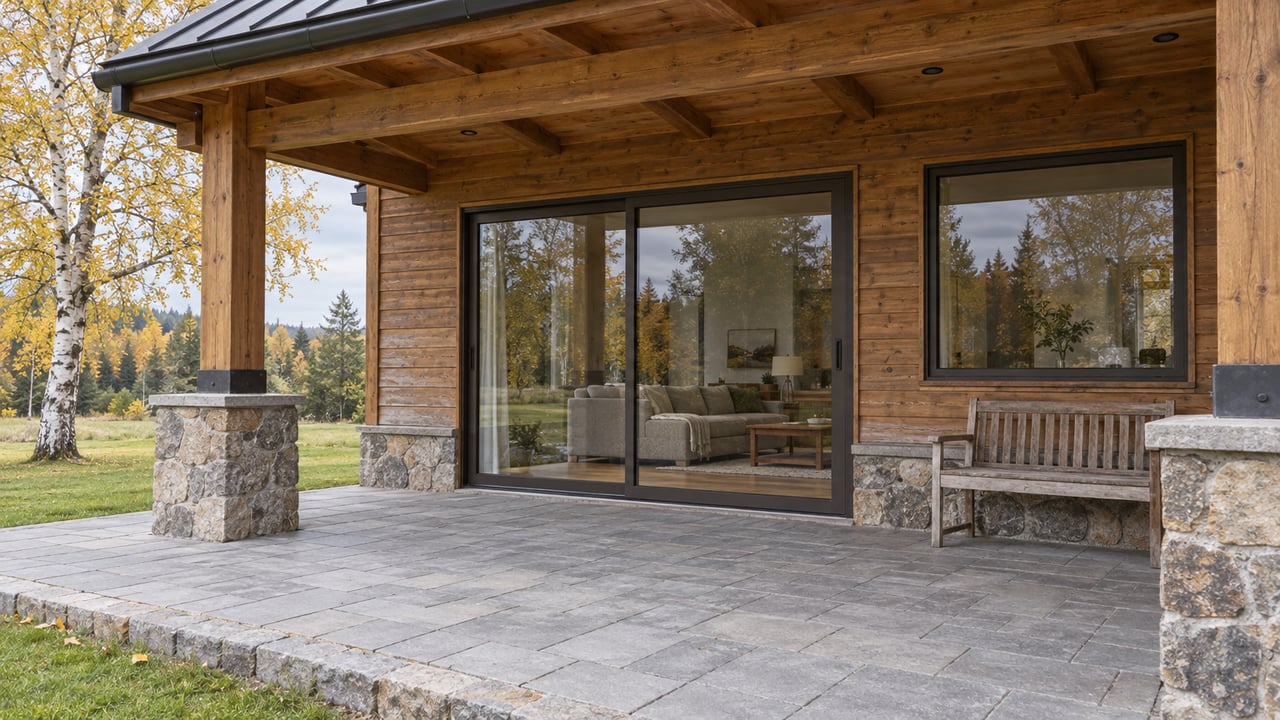
- Durable decks or lakeside terraces with lighting and safe railings.
- Screened porches and covered patios for bug-free evenings.
- Built-in grilling zones and gas or stone fire pits sited to code.
- A clear, well-maintained path from the cabin to the water.
Choose rot-resistant decking and finishes that hold up near the lake. Plan how you will service or store furniture and grills before winter.
Utilities, septic, and well systems
Septic and well systems can make or break a deal. Buyers and lenders often require septic inspections and well testing. If capacity does not match guest load, you will hear it during inspection or appraisal.
What to review now:
- Septic age, size, and recent service. Larger sleeping capacity may require a system sized to match.
- Well depth, pump service records, and water test results for bacteria and nitrate.
- Electrical panel capacity for modern HVAC and appliances.
If you replace or upgrade, keep permits, inspection sign-offs, and warranties. This paperwork reduces risk in buyers’ minds and can speed underwriting.
Permits, compliance, and documentation
Waterfront projects, shoreline work, and many outdoor structures are regulated. In Cass County, shoreland setbacks and placement rules apply. The DNR and county offices can confirm whether your plan needs a permit. For septic replacements and well work, follow Minnesota Pollution Control Agency and county health department requirements.
Keep a tidy file with permits, receipts, maintenance logs, warranties, and any inspections. Buyers value proof of proper installation and care. Strong documentation is often worth more than a flashy but undocumented DIY upgrade.
How to prioritize on any budget
If you are keeping costs tight, focus first on safety, function, and the essentials of lake living. Then move to comfort and outdoor spaces as budget allows.
Start here:
- Fix any safety or structural issues. Address roof leaks, septic failures, and missing egress or detectors.
- Ensure dock safety and simple boat access. Confirm rules before adding or changing a dock.
- Add storage and a mudroom. These are low-cost and high-impact.
- Improve sleeping flexibility with bunks or convertible furniture.
- Air-seal and insulate for better comfort and lower bills.
If you have more budget:
- Build a quality deck or screened porch for outdoor living and better listing photos.
- Upgrade HVAC with a cold-climate heat pump plus a reliable backup heat source.
- Stabilize shoreline with native plantings and erosion control where needed.
How to market your upgrades for resale
When you list, highlight the features buyers care about most and back them with documentation. Your photos and video should tell a story of easy lake living, high sleeping capacity, and low stress.
What to feature in your listing description:
- Dock quality and access, including permit status and maintenance history.
- Sleeping capacity and flexible layouts by room.
- Storage details by square footage and features, like gear racks and charging outlets.
- Energy and comfort upgrades with any utility savings or extended season use.
- Shoreline care that protects lake health.
Professional staging, photography, and video help these features shine. Team Cermak’s marketing approach puts your best angles forward and brings strong exposure to both local and out-of-area buyers.
Work with a local guide you can trust
Every Cass Lake property is unique. The best plan balances your budget, local rules, and what today’s buyers want in 56633. If you are unsure where to start, we can help you prioritize improvements that support your goals and present them clearly when it is time to sell.
Ready to talk strategy or pricing? Reach out to Parker Cermak for local guidance and get your free home valuation.
FAQs
What upgrades add the most value for Cass Lake cabins?
- Focus first on safe dock access, storage and mudroom space, flexible sleeping, insulation and air-sealing, and dependable septic and well systems.
Do I need a permit to add or modify a dock on Cass Lake?
- Many dock or shoreline changes fall under Minnesota DNR and Cass County shoreland rules, so check requirements and setbacks before building or expanding.
How can I make my cabin more usable in spring and fall?
- Improve insulation and air-sealing, consider a cold-climate heat pump with smart controls, and upgrade windows and doors to reduce drafts and heat loss.
What should I tackle first if my budget is limited?
- Fix safety and functional issues, ensure dock safety, add basic storage, and then address sleeping flexibility and air-sealing for the biggest early wins.
How do septic and well systems affect financing and resale?
- Lenders and buyers often require septic inspections and well water tests, and clear documentation of system capacity, maintenance, and compliance reduces risk.
What paperwork should I keep to support my sale?
- Save permits, inspections, warranties, maintenance logs, utility bills, and contractor invoices for docks, shoreline work, HVAC, insulation, septic, and well systems.