Is your timing helping or hurting your results in Bemidji? In northern Minnesota, the calendar shapes how many homes hit the market, how quickly they sell, and what buyers will pay. If you plan to buy or sell this year, understanding seasonality can save you time and money. In this guide, you’ll learn what to expect in winter, spring thaw, summer cabin season, and fall, plus practical checklists to plan your move. Let’s dive in.
Why seasonality matters in Bemidji
Climate and lake lifestyle
Bemidji’s long winter and warm summer create clear buying windows. Lakes freeze and thaw on a predictable rhythm, which affects when you can see docks, shoreline, and water clarity. Outdoor activities like ice fishing, snowmobiling, fishing opener, and fall hunting weekends influence when visitors are in town and when out-of-area buyers tour properties.
Who buys when
You see three main buyer groups in Bemidji: year-round local buyers, seasonal or cabin buyers, and retirees. Local moves often follow school and job timelines, which push activity into spring and early summer. Cabin and lake buyers are most active in late spring and summer when the water and shoreline show their best. Serious buyers remain in fall, aiming to settle before winter.
Winter: November to March
Fewer new listings come on in winter, and showings may be more limited by weather. The buyer pool is smaller, but motivated buyers are still out there.
What you’ll notice:
- Lower overall inventory and fewer casual shoppers.
- Longer days on market for some homes due to reduced traffic.
- Practical challenges like frozen ground that affect septic or well testing.
If you’re selling:
- Price with the season in mind and make your interior shine. Bright lighting, warm staging, and clear walkways build confidence.
- Lean on strong marketing. Professional photos and video tours help buyers evaluate without multiple trips.
If you’re buying:
- You may have more negotiating power and less competition.
- Watch for seasonal blind spots. Snow can hide roof, landscaping, and drainage issues; plan inspections and ask about maintenance history.
Spring thaw: April to June
This is the broadest buyer pool of the year. Many sellers list after winter, and buyers expect more choice.
What you’ll notice:
- The largest surge of new listings and weekend showings.
- Shorter days on market for well-priced homes.
- Basements and yards reveal drainage patterns after thaw.
If you’re selling:
- Aim to list in early spring to capture peak traffic.
- Tackle exterior touch-ups, fresh mulch, and window cleaning to maximize curb appeal.
If you’re buying:
- Be ready for multiple offers on stand-out homes.
- Secure pre-approval and decide your must-haves so you can act quickly.
Summer cabin season: June to August
This is prime time for lakefront and cabin properties. Many out-of-area buyers visit on weekends and make decisions fast.
What you’ll notice:
- Lake homes show best with docks in, clear water, and full greenery.
- Desirable lake properties can command premiums and sell quickly.
- Showings often cluster on evenings and weekends.
If you’re selling lakefront:
- List before or in early summer to catch peak interest.
- Feature shoreline, dock, sunset views, and outdoor living areas in your marketing.
If you’re buying lakefront:
- Have financing and inspectors lined up before your visit window.
- Understand that appraisals and comparable sales may reflect seasonal demand.
Fall: September to October
Fall brings serious buyers who want to close before winter. It is a balanced window for both sides.
What you’ll notice:
- A steady flow of listings from sellers who missed spring and summer.
- Negotiation room can improve as the season advances.
- Curb appeal remains strong, but timelines for exterior work get tighter as temperatures drop.
If you’re selling:
- Price to market and highlight fall colors and cozy features like fireplaces.
- Expect solid offers from buyers aiming to move before the snow flies.
If you’re buying:
- Good opportunity to negotiate terms and closing timelines.
- Be ready to move quickly when a well-priced listing appears.
Month-by-month game plan
January to March:
- Sellers: Complete repairs, plan staging, and line up photography. Prepare disclosures and winterize showing logistics.
- Buyers: Get pre-approved, study neighborhoods and lake chains, and start touring when possible.
April to June:
- Sellers: Go live early to ride peak demand. Schedule proactive inspections if needed.
- Buyers: Expect faster timelines. Set alerts and see top homes quickly.
July to August:
- Sellers (lakefront): Keep docks in, lawns edged, and outdoor furniture staged. Offer weekend showing windows.
- Buyers (lakefront): Plan travel, coordinate inspections, and be ready to write after the first or second tour.
September to October:
- Sellers: Capture serious fall buyers and aim to close before winter.
- Buyers: Watch for price improvements and act when the right fit hits the market.
November to December:
- Sellers: Use realistic pricing and strong interior presentation. Keep driveways and entries clear.
- Buyers: You may find motivated sellers and room to negotiate.
Staging and marketing by season
- Winter: Focus on light, warmth, and easy access. Clear snow and ice, add fresh bulbs, and stage inviting living spaces. Professional interior photography and video help buyers picture daily life.
- Spring: Lean into curb appeal. Fresh mulch, trimmed shrubs, and clean windows matter. Show how the home handles spring melt and runoff.
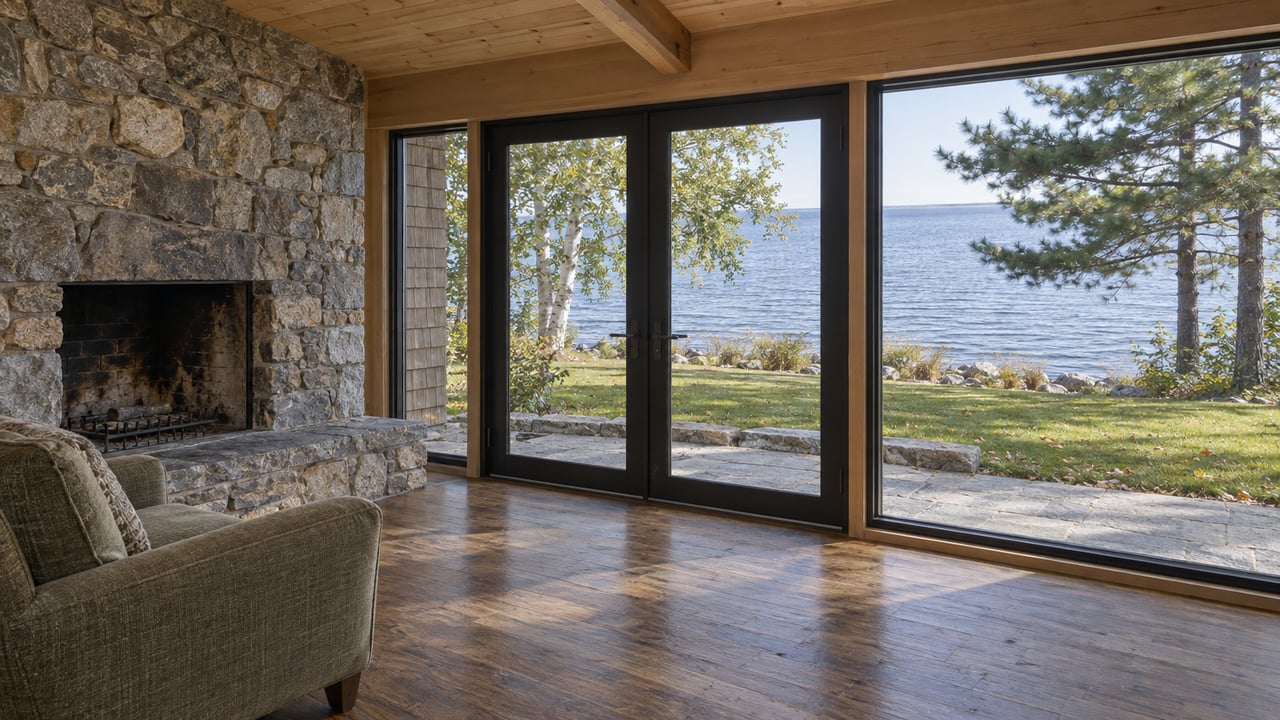
- Summer: For cabins and lake homes, lead with water. Photograph docks, shoreline, and outdoor hangouts. Weekend open houses can catch out-of-town visitors.
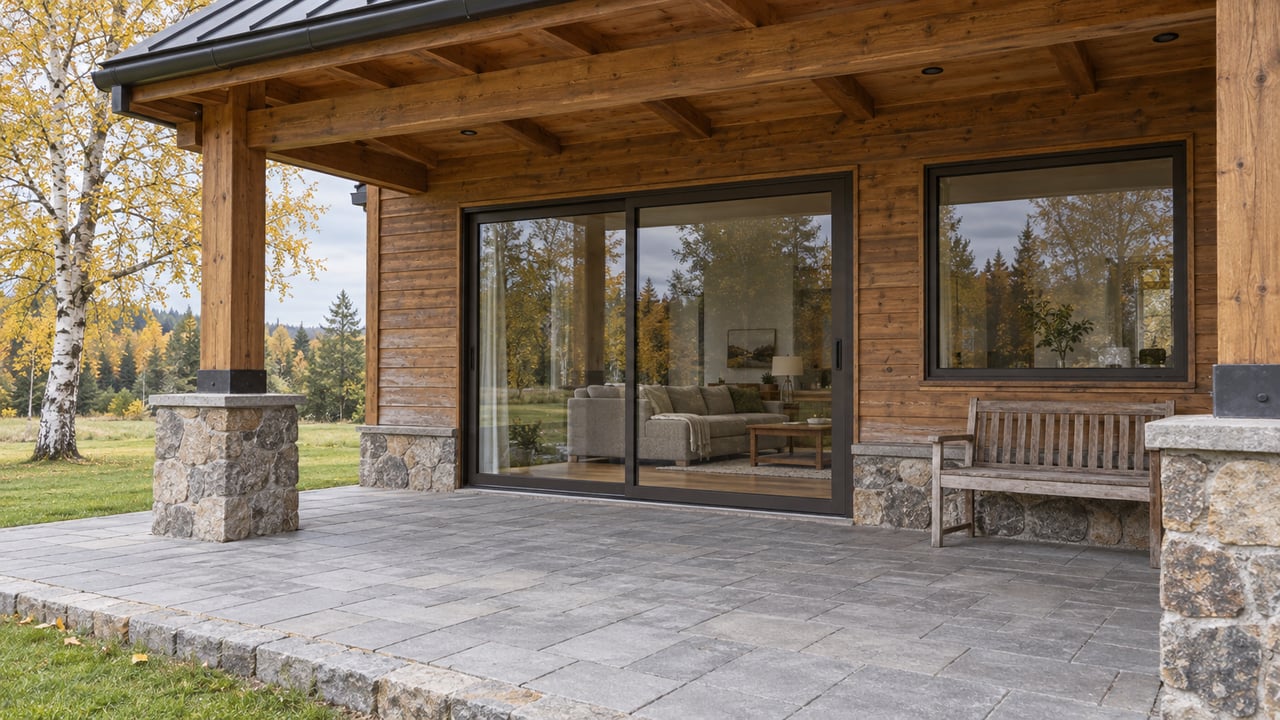
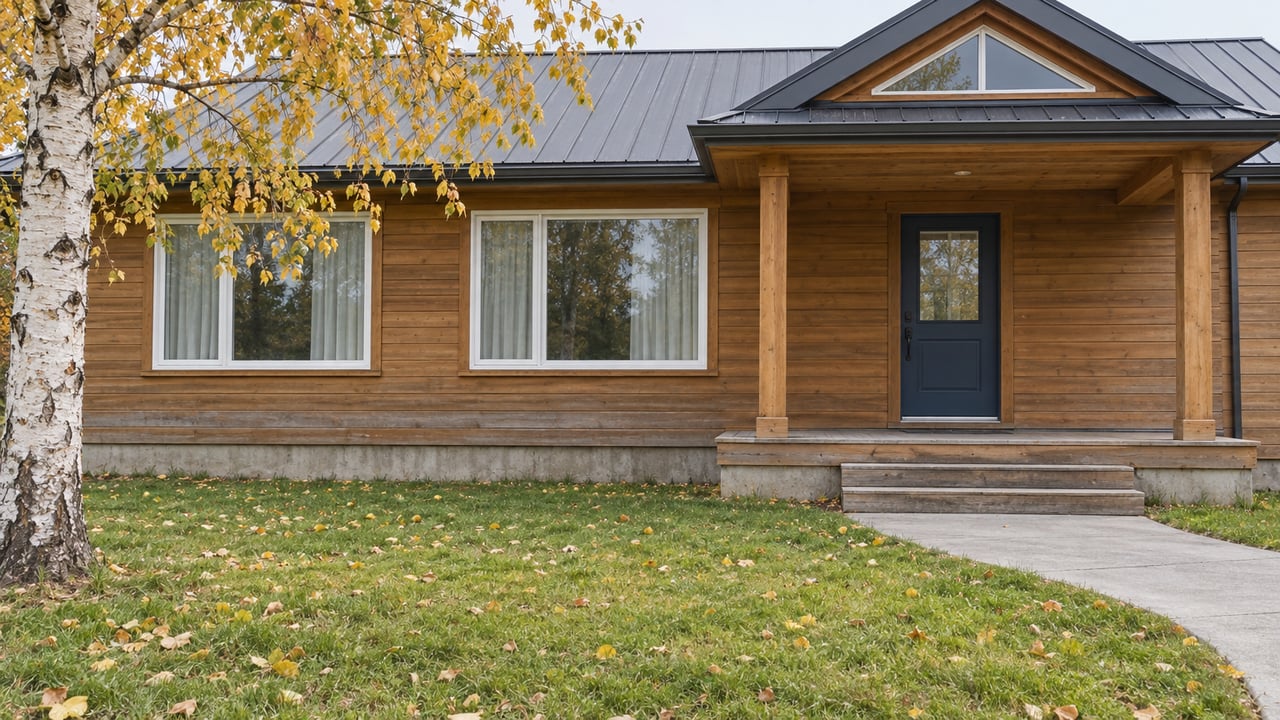
- Fall: Highlight foliage and cozy spaces. A clean yard and well-staged fireplace help buyers imagine winter ahead.
Team Cermak includes complimentary staging, professional photography, and video tours with every listing. In a seasonal market, presentation and exposure are key to capturing the right buyers at the right time.
Inspections, appraisals, and closings
Inspections:
- Winter can complicate septic and well testing due to frozen ground. Consider scheduling tests as weather allows or structuring timing in your offer.
- In spring, check basements, gutters, and grading for drainage performance after thaw.
Appraisals:
- Appraisers rely on recent comparable sales. If most lake comps closed in summer, seasonality can influence valuation for water property. Discuss strategy with your agent if timing creates a comp gap.
Closings and logistics:
- Movers and contractors book up in spring and summer. Reserve early in peak months.
- Winter moves may be easier to schedule, but build in weather buffers.
What to track in Bemidji data
Ask your agent for monthly reports so you can compare your plan to local trends. Helpful metrics include:
- New listings by month
- Closed sales by month
- Median sale price by month
- Median days on market by month
- Sale-to-list price ratio by month
- Inventory (active listings) by month
- Share of sales that are lakefront or cabin by month
Because Bemidji is a smaller market, monthly numbers can be noisy. Look at 3 to 5 years of data and compare year-round homes and lake properties separately so you see the true seasonal patterns.
Put seasonality to work
Your best results come from matching your plan to the season. If you want the broadest exposure for a year-round home, early spring is a smart target. If you are selling a lake property, list before or in early summer to show the shoreline and capture peak visitation. If you prefer less competition as a buyer, winter and fall can open doors. With a clear strategy, you can use the calendar to your advantage.
If you are weighing the right timing for your Bemidji move, let’s talk through your goals and the current monthly data. Reach out to Parker Cermak for a local plan that fits your timeline.
FAQs
Is spring always best for selling in Bemidji?
- Spring brings the largest buyer pool for year-round homes, but the best timing depends on your property type and goals; lakefront sellers often see strong results in late spring and early summer.
Do winter listings sell for less in Bemidji?
- Not always; winter has fewer buyers, which can mean longer timelines and more negotiation, but motivated and well-presented homes can achieve fair market value.
When do lake homes in Bemidji get peak interest?
- Lake buyers are most active in summer, with late spring also important so buyers can see docks, shoreline, and water conditions.
How does season affect inspections and closings?
- Frozen ground in winter can delay septic or well tests, and contractors and movers book up in spring and summer; plan for timing and weather buffers.
What data should I review before listing?
- Ask for monthly new listings, days on market, sale-to-list price ratio, and inventory for the past 3 to 5 years, separated by lakefront and non-lake properties.
How should I prepare to win a home in peak season?
- Get pre-approved, set clear criteria, tour quickly, and present strong, clean offers with realistic inspection timelines.