Thinking about buying a duplex or small multi-family in Cass Lake? It can look appealing at first glance, especially if you are hoping for a lower entry price or a value-add opportunity. But this is not a market where you can rely on broad rental assumptions alone. If you want to invest wisely, you need to understand zoning, rental rules, repair risk, and the area’s seasonal demand patterns before you make an offer. Let’s dive in.
Why Cass Lake Feels Different
Cass Lake sits in a small housing market inside Cass County, and that matters for investors. Cass County’s 2025 population estimate was 31,430, which was up 4.5% from 2020, but it still remains a lightly populated market overall. The county also has a high owner-occupied share of 86.2%, which suggests a thinner rental pool than you might see in larger Minnesota cities.
For rental owners, that usually means you should underwrite conservatively. Countywide, the median gross rent is $863, while the median owner-occupied home value is $288,300. Those numbers can point to tighter margins if you overpay or assume fast rent growth.
Cass Lake also stands apart from more rural parts of the county. A county housing study treated Cass Lake and nearby cities differently because cities are better suited for higher-density housing thanks to their infrastructure and community services. That makes Cass Lake more relevant for duplex and small multi-family investors than many rural township locations.
Cass Lake Investment Opportunities
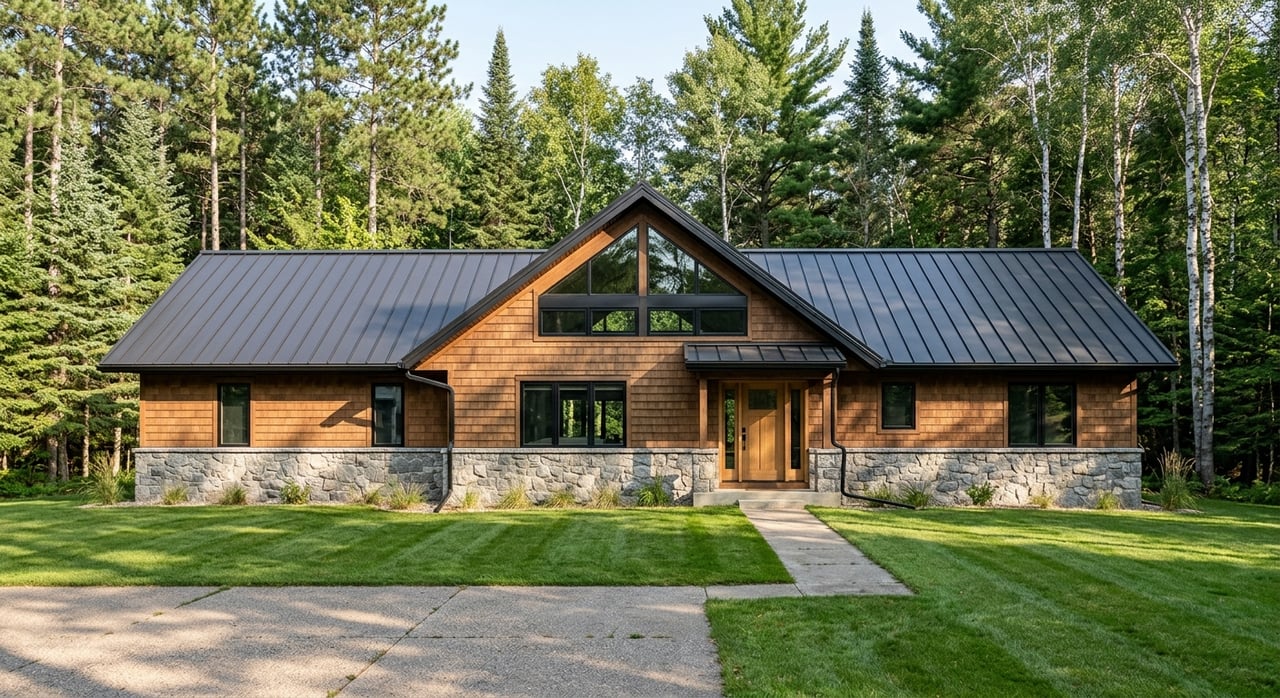
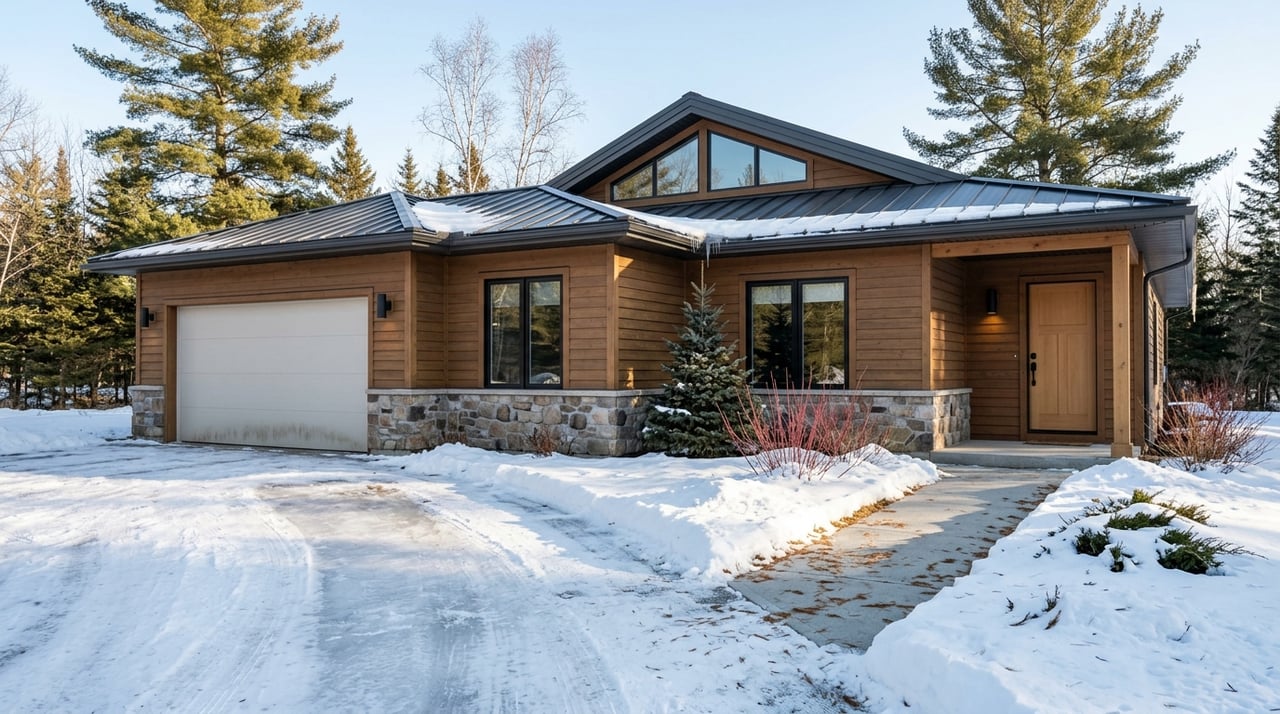
Not every opportunity in Cass Lake looks like a clean, turn-key duplex. In fact, the better plays may often be older homes, converted properties, or small multi-family buildings that need updates but already sit in a more practical in-town setting.
The county housing study found clear rehab potential in Cass Lake’s housing stock. Its windshield survey identified 41 sound homes, 76 homes needing minor repairs, 64 needing major repairs, and 21 considered dilapidated. That does not promise an easy flip or rental conversion, but it does suggest that value-add investing may be more realistic than ground-up development in many cases.
If you like projects, this can be encouraging. If you want a simple, low-maintenance asset, it is a reminder to inspect thoroughly and budget carefully from day one.
Zoning Matters Before Anything Else
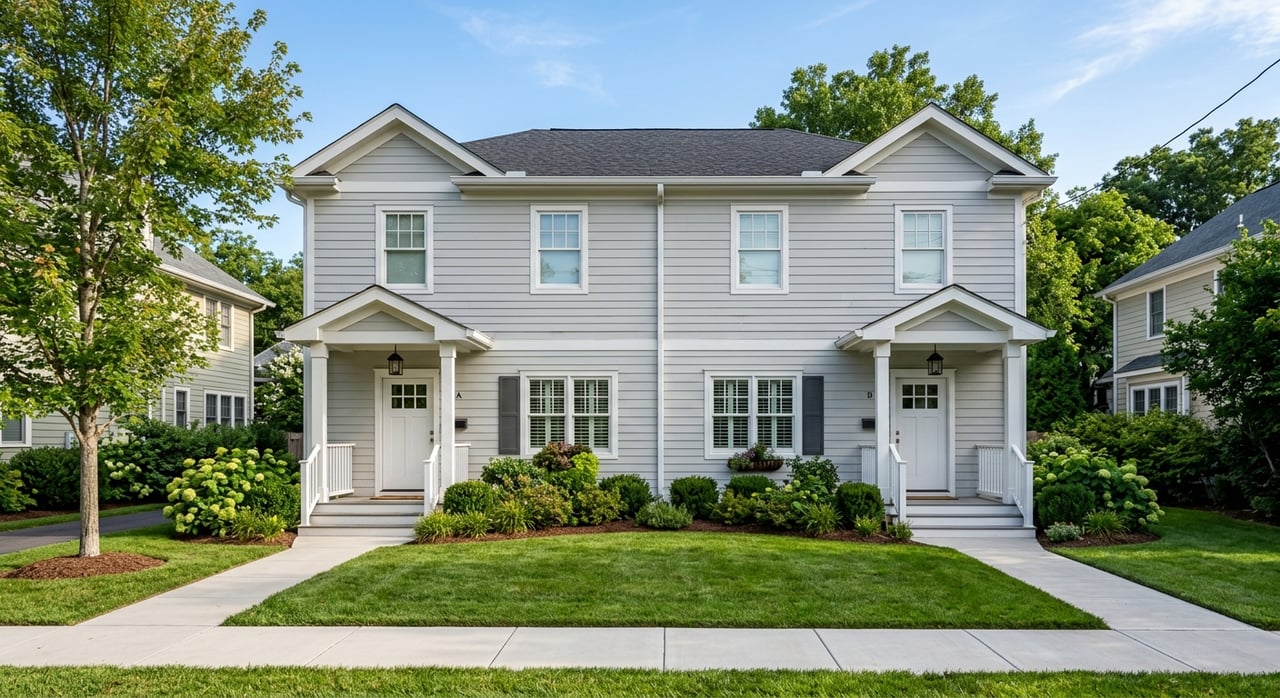
Before you run numbers, confirm what the parcel actually allows. Cass Lake’s land-development code recognizes duplexes, triplexes, quads, two-family dwellings, and multiple-family dwellings, but that does not mean every lot permits every use.
The city’s code separates lower-density residential areas from medium-density and high-density districts that have more multi-family character. In practical terms, the exact parcel and zoning district matter a lot. A property that looks ideal on paper may not support your intended use without additional review.
Check Shoreland Limits Early
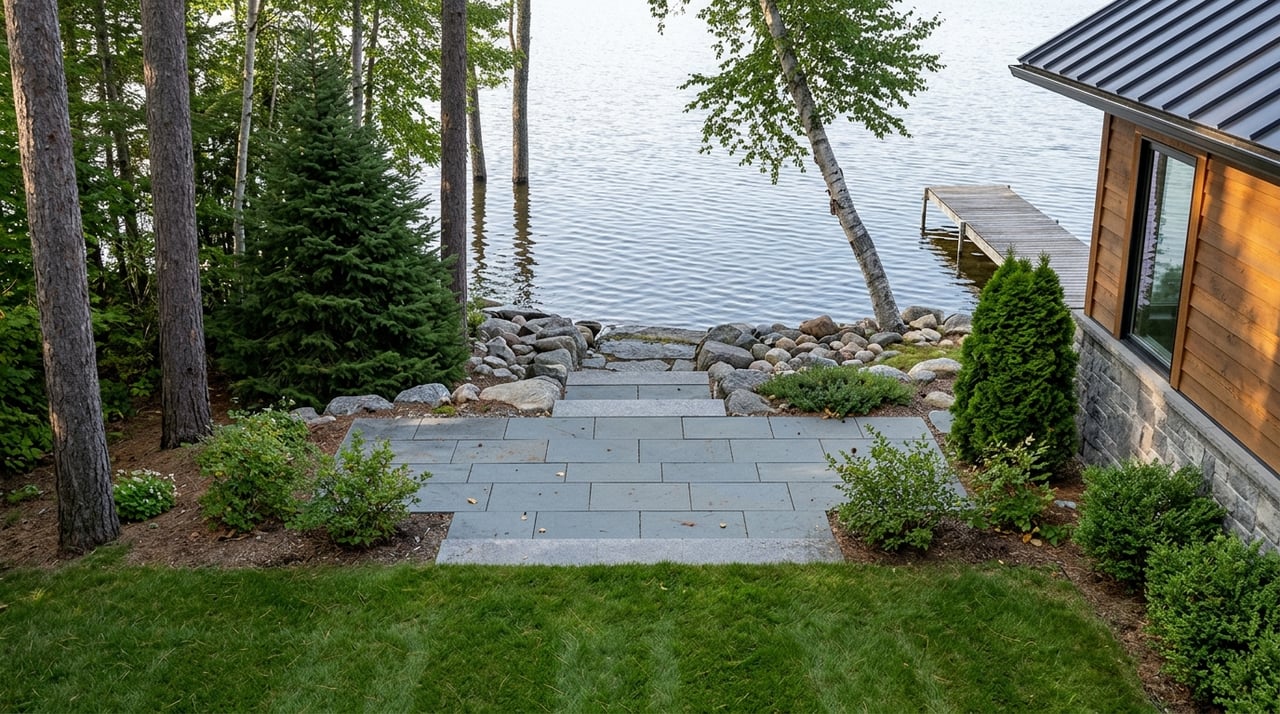
If the property is near the water, be even more careful. Cass Lake’s code says no more than 25% of a lake’s shoreline can be in duplex, triplex, or quad developments. That creates another layer of due diligence for lake-adjacent investments.
This is especially important because waterfront appeal can push pricing higher. If you pay a premium for location but run into use restrictions, your cash flow plan can get off track fast.
Seasonal Use Is Not the Same
The city also distinguishes between seasonal dwellings, long-term housing, and transient-style lodging uses. Its code defines a seasonal dwelling as one intended for use no more than eight months of the year.
If you are considering a hybrid setup, such as a property that might serve long-term renters in one season and vacation use in another, verify the zoning path early. Long-term rentals, seasonal occupancy, and resort-style lodging are not automatically treated the same way.
Rental Compliance Can Make or Break a Deal
In Cass Lake, operations matter just as much as acquisition price. The city requires rental homes to be registered and inspected every two years, which means compliance should be part of your due diligence before closing.
For out-of-area buyers, one local rule stands out. Each rental unit must have the owner or a local property manager located within 50 miles of the city. If you live outside that radius, you will need a management plan in place before the property can function the way you expect.
This is one reason remote investors should not treat Cass Lake like a passive market. A low purchase price does not help much if inspections, registration issues, or local management requirements slow down your timeline.
Repairs and Permits Deserve Extra Attention
Older housing can create opportunity, but it also raises the stakes. The county study notes that rental housing tends to be older than owner-occupied housing, with a median construction year of 1976 for rentals compared with 1989 for owner-occupied homes.
That age difference matters because repair costs can show up quickly. Major rehabilitation in the county study included issues such as roofs, windows, siding, and foundation-level concerns. Those are not cosmetic line items, and they can reshape your return if you miss them during the inspection period.
The city also requires building permits for many home repair and improvement projects. If you are looking at a duplex or conversion with recent updates, ask early about permit history. If you are buying a fixer, make permit feasibility part of your budget and timeline.
How to Underwrite Cass Lake Realistically
Cass Lake is not a market where broad averages tell the whole story. Countywide rent data can give you a starting point, but your deal should be built around local comps, likely vacancy, utility costs, insurance quotes, and real repair reserves.
Because Cass County has a high ownership rate and modest rents, the deal needs to work on a sensible basis. Do not assume rent growth will rescue a weak purchase price. This is especially true if the property carries a lake premium or needs major updates.
A more practical underwriting approach includes:
- Confirming current zoning and any shoreland limitations
- Verifying rental registration and inspection status
- Reviewing realistic local rent comps instead of relying only on countywide figures
- Building in vacancy assumptions that fit a small, seasonal market
- Setting aside meaningful reserves for repairs and capital expenses
- Matching the property to a clear exit strategy
Seasonality Is Part of the Story
Cass County’s housing study makes it clear that seasonality affects the market. Much of the county’s unoccupied housing is likely seasonal or recreational, and the county is identified as a vacation and tourism destination.
Around Cass Lake, that tourism influence is easy to see. The Chippewa National Forest has its supervisor’s office in Cass Lake, and the forest includes 556 campsites across 15 developed campgrounds, 85 boat accesses, and 10 resorts operating under special-use permits. The Norway Beach boat access on Cass Lake is open from May through October.
For investors, this means demand may come from more than one source. You may be able to appeal to year-round residents while also benefiting from warmer-month activity tied to boating, fishing, camping, and recreation.
The Best Fit May Be Flexible Housing
The strongest occupancy story may come from a property that works well in the off-season first. Then, if its location and layout also benefit from seasonal traffic, that can be an added advantage rather than the whole plan.
That is an important distinction. In Cass Lake, a property priced mainly for lifestyle appeal may not perform the same way as a property bought for conservative, year-round rental math.
Best Exit Strategies for Small Multi-Family
Not every Cass Lake investment should be treated the same way. Depending on the property, one of several strategies may make the most sense.
Long-Term Rental Hold
This may fit properties in practical in-town locations with solid year-round demand. The key is buying at a basis that still works with moderate rents, normal vacancy, and ongoing maintenance.
Owner-Occupant Duplex
Some duplexes may be especially attractive to buyers who want to live in one unit and rent the other. In a small market, that can widen your future resale audience compared with a property that only appeals to investors.
Workforce or Seasonal Housing
The county study points to a need for market-rate and workforce or moderate-rent units in the North Cass area that includes Cass Lake. It also notes that some exceptions to rural rental caution may include housing for tourists, vacationers, and seasonal workers tied to the tourism economy.
That does not mean every property is suited for those uses. It does mean your best investment may be the one whose location, condition, and zoning align with a specific local need.
What a Local Team Can Help You See
In a market like Cass Lake, the most valuable help often comes from the less glamorous parts of the process. You need someone who can help you narrow in on realistic opportunities, spot red flags early, and keep your plan grounded in how the property can actually be used.
That may mean checking zoning maps, reviewing registration and permit history, or helping you think through whether a shoreline property is worth the added complexity. In a small, regulation-sensitive market, those details can matter more than a flashy listing description.
If you are exploring duplexes or small multi-family in Cass Lake, working with a local team can help you move faster on the right deals and avoid wasting time on the wrong ones. When you are ready to talk through opportunities in northern Minnesota, connect with Parker Cermak.
FAQs
What makes Cass Lake duplex investing different from larger Minnesota markets?
- Cass Lake sits in a smaller housing market with a high owner-occupied share, modest countywide rents, seasonal demand patterns, and local rental rules that require careful underwriting.
Are duplexes allowed everywhere in Cass Lake?
- No. Cass Lake’s code recognizes duplexes and other small multi-family types, but whether a property can be used that way depends on the parcel’s zoning district and any applicable shoreland rules.
What rental rules should Cass Lake investors check first?
- You should confirm whether the property is registered as a rental, whether inspections are current, and whether there is an owner or local property manager within 50 miles of the city as required by local rules.
Is seasonality important when buying small multi-family in Cass Lake?
- Yes. Cass County’s housing study identifies the area as a vacation and tourism destination, so some properties may see demand patterns influenced by warmer-month recreation activity.
Are fixer-upper duplexes common in Cass Lake?
- The county housing study found many homes in Cass Lake needing minor or major repair, which suggests rehab and repositioning opportunities may be more common than turn-key small multi-family options.
What is a smart first step before offering on a Cass Lake multi-family property?
- A smart first step is to verify zoning, shoreland feasibility, rental compliance status, and likely repair scope before you rely on projected rents or future use assumptions.