If you picture northern Minnesota as all cabins and weekend traffic, Walker might surprise you. It has the lake views and outdoor access people expect, but it also has a real small-town core where downtown, public spaces, and daily life connect in a practical way. If you are wondering whether Walker feels like a place you could truly call home, this guide will help you understand the rhythm of living there. Let’s dive in.
Walker has a lake-centered layout
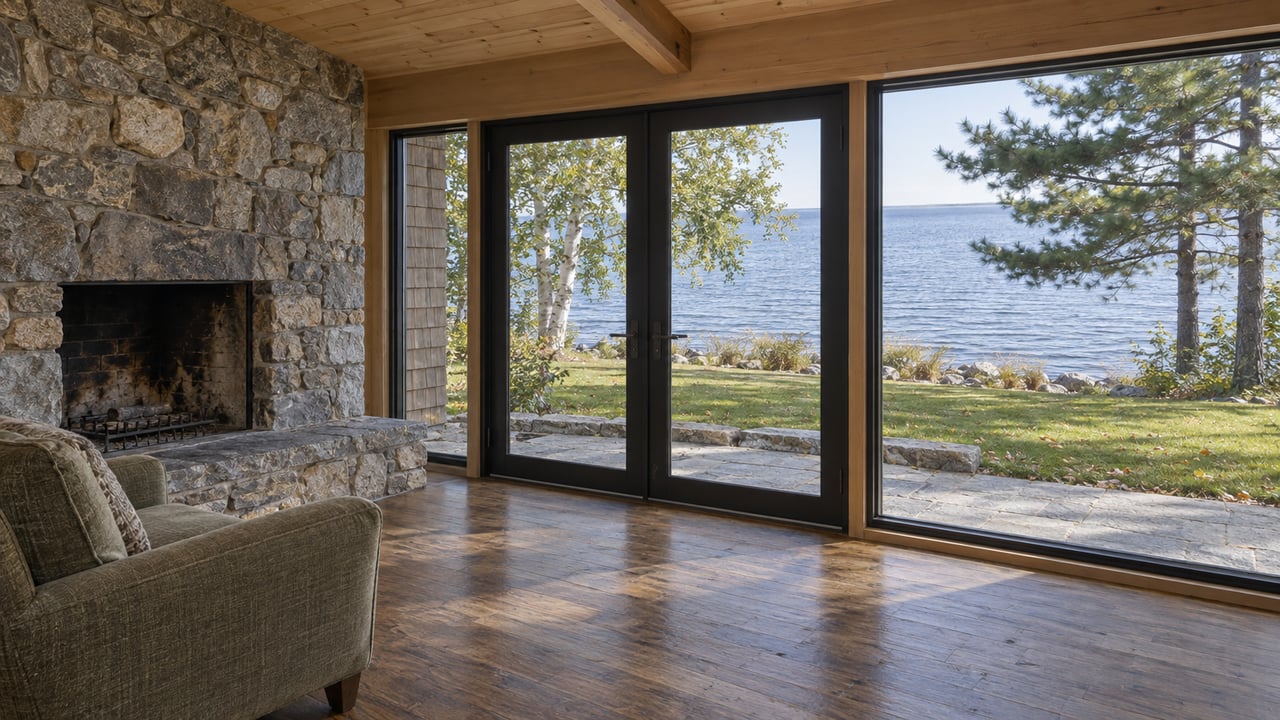
One of the most distinctive things about Walker is how closely the town is tied to Leech Lake. According to the city’s comprehensive plan, Walker’s traditional street grid slopes toward the lake, and many streets end at the shoreline. That means the water is not tucked away behind private development. It is part of the town’s public feel.
That design shapes daily life in a simple but important way. Even if you do not own property on the water, the lake still feels present. The city plan notes that few residents have direct lake access, which helps explain why public shoreline access matters so much in Walker.
Downtown and the waterfront work together
In many lake towns, the waterfront and downtown feel separate. In Walker, they function more like extensions of each other. The city docks are designed so boaters can tie up and walk into town, which says a lot about how easy it is to move between the lake and downtown businesses.
Walker City Park strengthens that connection. The park includes lake access, docks, a beach, courts, playground space, and other shared amenities near downtown. It is not just a scenic extra. It is part of the way people gather, relax, and spend time outdoors close to the center of town.
What everyday life feels like
Living in Walker often means having a mix of convenience and recreation in the same day. You might run errands, meet someone for coffee, walk near the water, or head to the park without feeling like you need to drive far between activities. That compact feel is one of the town’s biggest advantages.
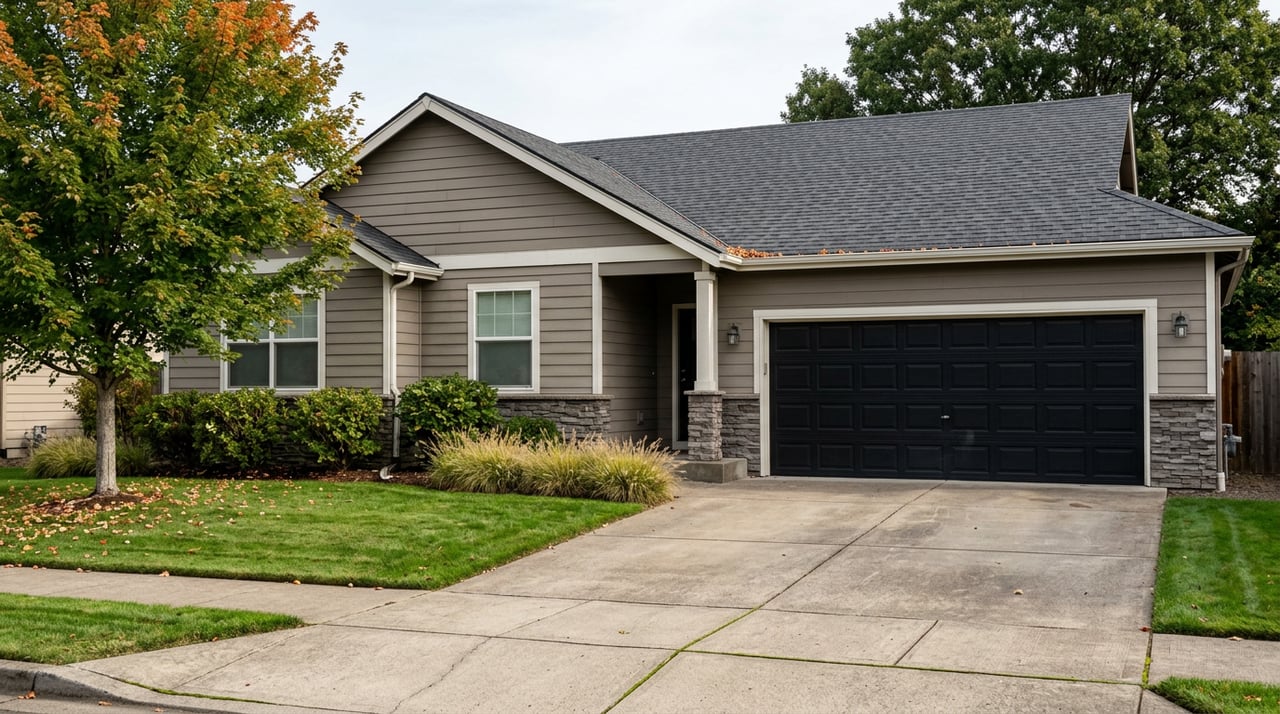
At the same time, Walker is not frozen in time. The city’s comprehensive plan says the original housing pattern was concentrated near downtown and the lake, while later growth spread outward in a more auto-oriented pattern. So depending on where you live, your day-to-day setting may feel more walkable and traditional or more spread out and residential.
Dining and local businesses add energy
Walker’s dining scene reflects its lake-town setting without feeling one-dimensional. The Leech Lake chamber describes a mix of lakeside patios, cozy cafés, family-friendly restaurants, coffee shops, breweries, and casual bars. That range gives you options whether you want a quick bite, a relaxed dinner, or a place to meet friends.
A good example of Walker’s character is how some spots connect directly to both downtown and the water. The 502, highlighted by the chamber, sits downtown at the water’s edge and can be reached by land or water. That kind of overlap is part of what makes the town feel distinct.
Community events help shape the town
If you want a sense of whether a place has real community life, local events can tell you a lot. In Walker, public gatherings are a meaningful part of the calendar. Chamber listings highlight events such as the Old Fashion 4th of July Celebration downtown, Crazy Days in the downtown core, and Ethnic Fest throughout town in September.
These events do more than fill weekends. They show how Walker uses its public spaces and downtown as active community anchors. Walker City Park also hosts festivals, tournaments, and other gatherings, which adds to the feeling that the town’s shared spaces are used often and intentionally.
Outdoor living is part of all four seasons
Walker is strongly tied to the outdoors, but it is not only a summer destination. Leech Lake is a major part of that story. The Minnesota DNR identifies it as a top fishing destination with year-round angling opportunities, and the Walker area fisheries office manages local waters.
That year-round access matters if you are thinking about living in Walker full time. The outdoor lifestyle does not disappear when the weather changes. It simply shifts with the season.
Leech Lake supports everyday recreation
For many residents, Leech Lake is more than a backdrop. It supports fishing, boating, and time on the water, while public access points help make those activities part of ordinary life. Walker City Park adds a public boat launch, docks, a sand beach, and shoreline access near downtown through the Walker Bay Fishing Pier.
Because those amenities are public, they broaden who can enjoy the lake. You do not need private shoreline to take part in what makes Walker special. That is a meaningful point for buyers comparing in-town homes with properties farther out.
Trails extend the season
Walker’s outdoor appeal also includes trail access. The Minnesota DNR says the Paul Bunyan State Trail connects with the Heartland State Trail around Walker and supports biking, hiking, in-line skating, snowmobiling, and accessible outdoor use. In winter, those connections extend to groomed snowmobile trails.
That network gives the area a true four-season pattern. The local chamber also frames Walker as a place for boating, fishing, kayaking, trails, parks, snowmobiling, and ice fishing. If you like living somewhere that changes with the seasons instead of shutting down, Walker offers that rhythm.
Housing in Walker is varied
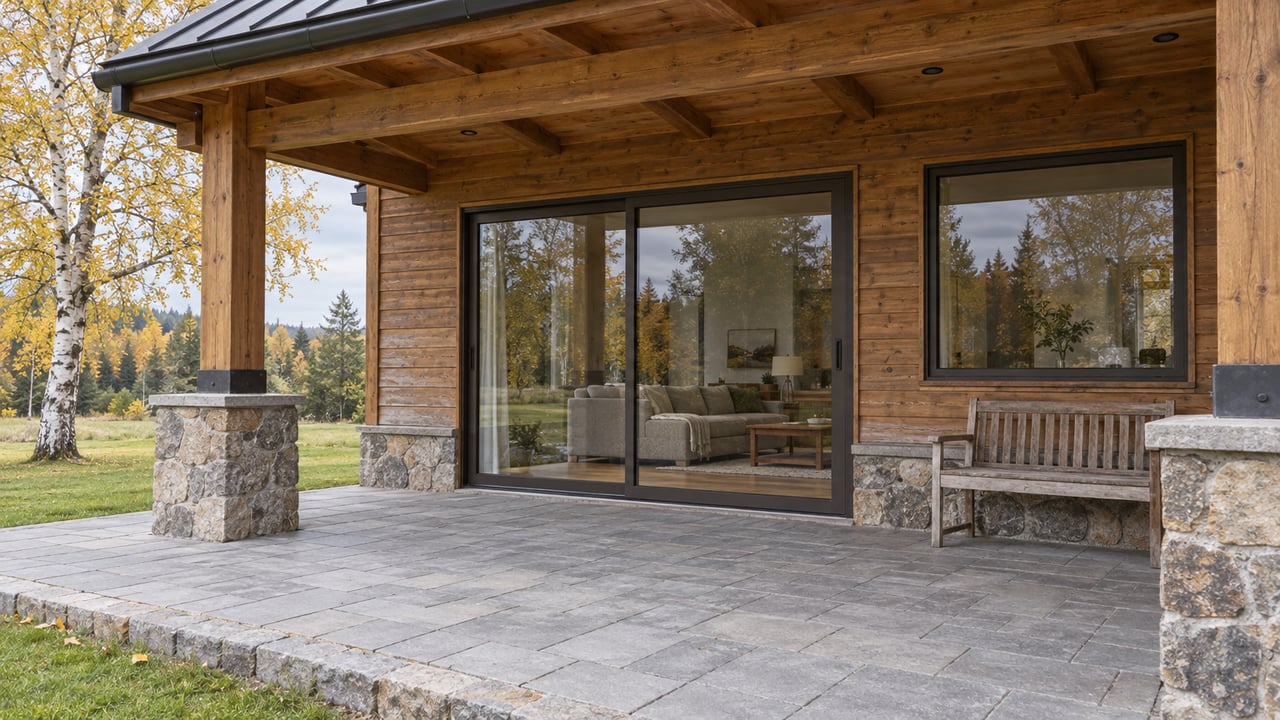
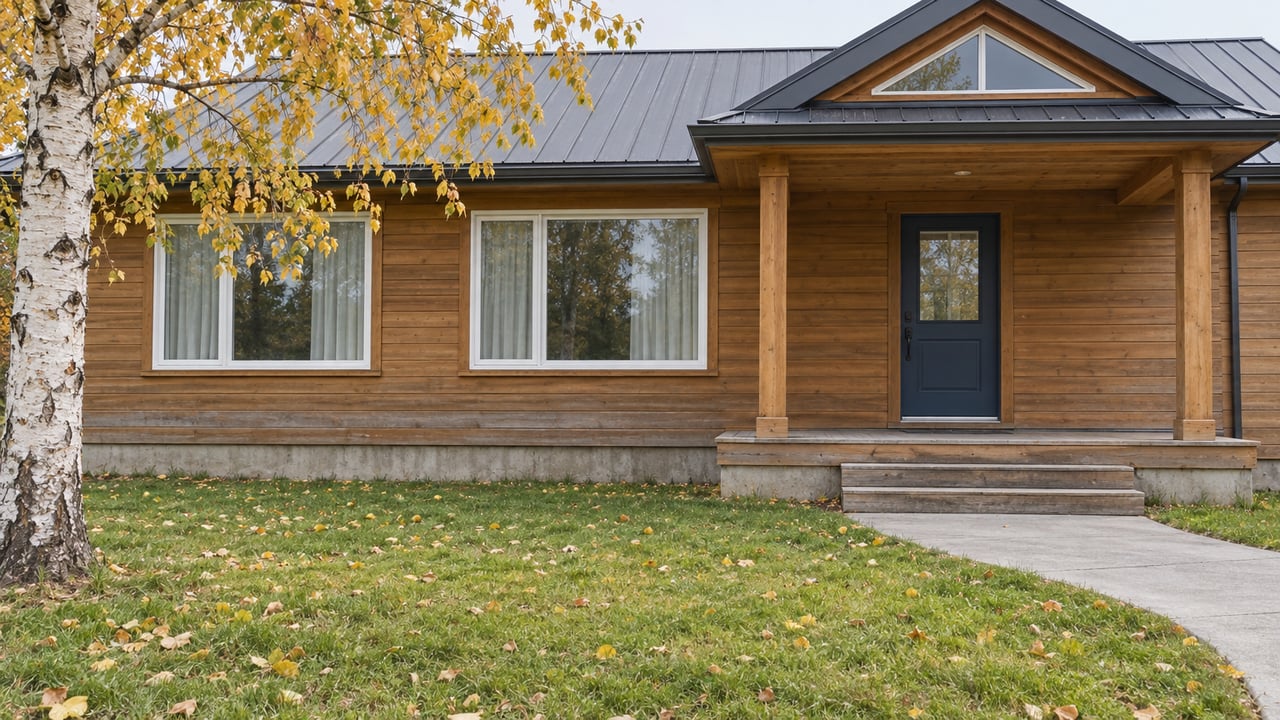
Walker is not a one-style housing market. The city’s comprehensive plan describes older homes near downtown and the lake, along with single-family and multi-family housing woven into the traditional grid. It also notes later development with larger setbacks and more spread-out patterns.
That variety matters when you start thinking about fit. Some buyers may prefer the older in-town feel with closer access to downtown and public spaces. Others may want a property outside the core with more land, a lake-access setting, or a more private layout.
You can find different living patterns
A helpful way to think about Walker is to separate it into a few general living experiences:
- In-town neighborhoods with older homes and a more traditional street pattern
- Multi-family pockets that add housing variety within town
- Edge-of-town properties with a more spread-out residential feel
- Surrounding lake-country and acreage settings for buyers who want more space
That range gives Walker broad appeal. It can work for full-time residents, part-time owners, and buyers looking for a northern Minnesota home base tied to recreation.
Civic services support daily living
Walker also offers practical services that help it function as more than a seasonal destination. The city website lists police, public works, Walker Water Works, city park, municipal airport, public library, emergency management, fire, and ambulance service. Those basics matter when you are considering year-round life in a smaller community.
The Walker Public Library is located downtown, adding another civic anchor to the core. The Walker-Hackensack-Akeley district also has elementary and secondary schools in Walker. Together, these services support the idea that Walker can serve both as a primary-home community and as a part-time home base.
Who may enjoy living in Walker
Walker tends to appeal to people who want a lifestyle shaped by water, outdoor access, and a recognizable town center. If you like the idea of public lake access, local events, and a downtown that still feels connected to everyday life, Walker offers a lot to consider.
It may also appeal to buyers looking for flexibility. Some people want a full-time home close to local services. Others want a second home or recreational property in a place that has more structure and community activity than a purely seasonal area.
Things to consider before you move
No town is perfect for everyone, and Walker has a specific character. Its housing patterns vary, so your experience may differ depending on whether you choose an older in-town property, a more auto-oriented area, or a place outside the core. It helps to think clearly about how much you value walkability, public lake access, privacy, and proximity to downtown.
You should also think about your preferred pace of life. Walker offers community events, trails, and lake activity, but it still has the scale of a smaller northern Minnesota town. For many buyers, that is exactly the appeal.
If you are exploring homes in Walker or comparing it with other northern Minnesota communities, working with a local team can help you narrow down the right fit faster. Parker Cermak can help you understand the local housing mix, lifestyle differences, and what to watch for as you search.
FAQs
What is daily life like in Walker, Minnesota?
- Daily life in Walker blends small-town convenience with public access to Leech Lake, a compact downtown, local dining, and shared outdoor spaces like Walker City Park.
Does Walker, Minnesota feel like a seasonal town?
- Walker has strong summer appeal, but public lake access, year-round fishing, trail connections, snowmobiling, and ice fishing give it a clear four-season lifestyle.
What kinds of homes can you find in Walker, Minnesota?
- Walker includes older in-town homes, single-family and multi-family housing in the traditional grid, and more spread-out properties near the edge of town and in surrounding lake-country areas.
Is downtown Walker, Minnesota close to the lake?
- Yes. Walker’s downtown and waterfront are closely connected, with city docks designed so boaters can tie up and walk into town.
Are there parks and public lake access in Walker, Minnesota?
- Yes. Walker City Park includes lake access, docks, a beach, courts, playground space, a public boat launch, and shoreline access near downtown.
Who is Walker, Minnesota a good fit for?
- Walker may be a good fit if you want a northern Minnesota home base with outdoor recreation, a real downtown core, public lake access, and housing options that range from in-town homes to lake-country and acreage settings.