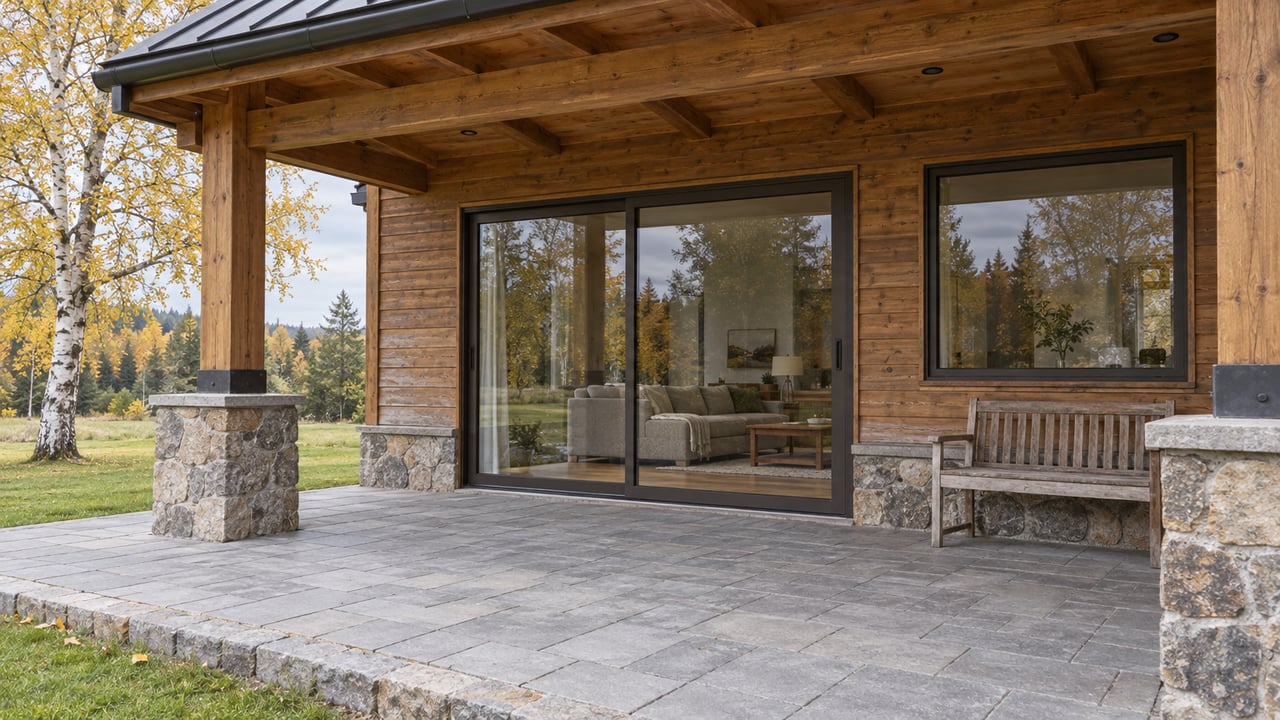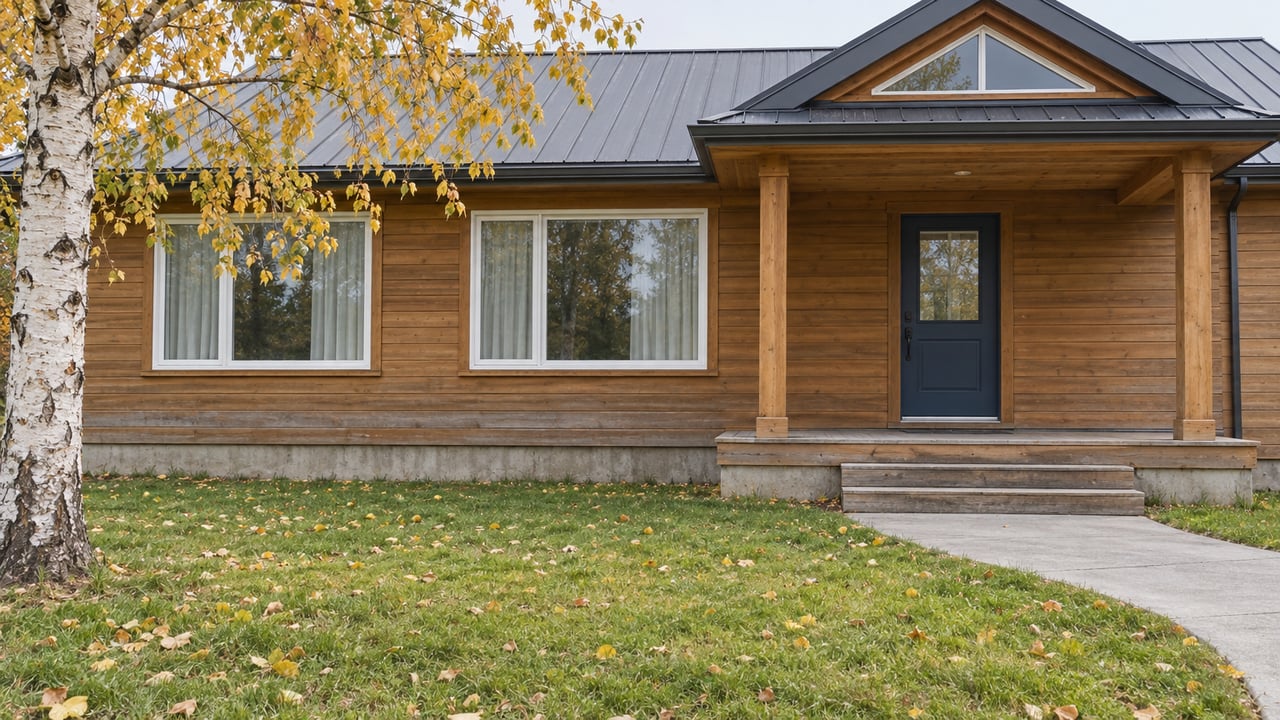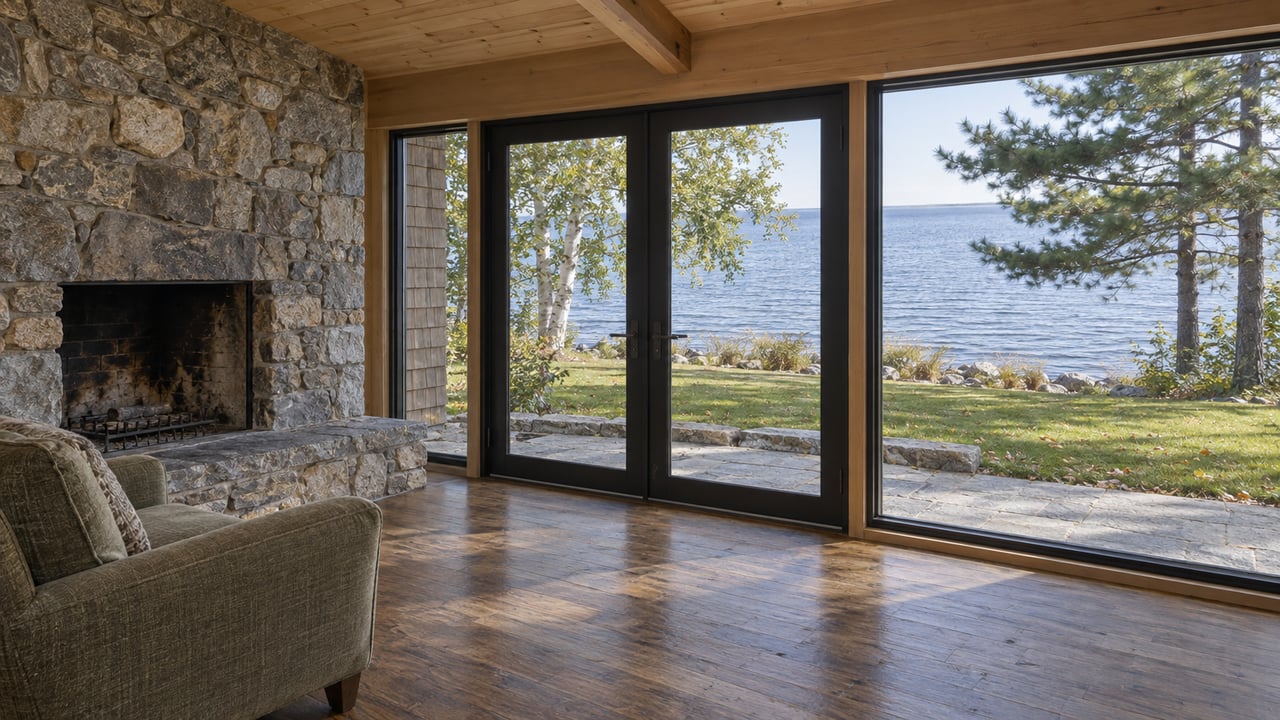
If you are shopping for a second home in Walker from a few hours away, or a few states away, you are not alone. Lake properties in Cass County can be a great fit for seasonal living, but buying from afar comes with extra moving parts that are easy to miss if you are not local. This guide will help you focus on the details that matter most, from remote tours and property research to shoreland rules, wells, septic systems, and closing logistics. Let’s dive in.
Why Walker second homes need extra care
Walker sits in a lake-centered part of Cass County, where the setting shapes how homes are built, used, and maintained. Cass County reports about 2,300 miles of protected lakeshore and 2,200 miles of protected river frontage, and 19% of private lands are classified as seasonal residential or recreational.
That matters because many properties in the Walker area are not set up like a typical in-town home. In shoreland and rural areas, homes often rely on private septic systems instead of city sewer, and private wells instead of municipal water. When you are buying remotely, utility records and maintenance history should be part of your first review, not something you save for later.
Walker is also part of a broader recreation corridor. The Minnesota DNR’s Walker area fisheries staff manage 106 fishing lakes and 70 miles of rivers and streams in Cass County, which helps explain why lake access, shoreline condition, and seasonal usability often play a big role in value and day-to-day enjoyment.
Start with an online-first search
Most buyers begin online, and remote second-home buyers depend on that process even more. Recent buyer research from NAR found that all home buyers used the internet during their search, and the most useful online content included photos, detailed property information, floor plans, and agent contact information.
For a Walker second home, good listing information should help you answer practical questions quickly. You want to understand room layout, property condition, shoreline access, driveway approach, outdoor space, and how the home may function across different seasons.
A strong online search can help you narrow the field before you make a trip. NAR also reported that buyers spent a median of 10 weeks searching, viewed seven homes, and saw two homes online only. That makes it worth taking the virtual side of the process seriously from day one.
What to look for in remote tours
A live video walkthrough can fill in the gaps that photos leave behind. It gives you a better sense of room scale, sightlines, ceiling height, storage, and how spaces connect.
For Walker-area homes, a remote tour should also cover the details outside the house. Ask to see the shoreline, dock area, driveway condition, exterior siding and rooflines, yard drainage, steps to the water, and any signs of deferred maintenance. If the property is seasonal, it also helps to understand how the home is set up for opening and closing each year.
Use Cass County tools for due diligence
One big advantage of buying in Cass County is that you can do a lot of homework before you ever step onto the property. The county provides access to parcel data, assessment field cards, recent sales searches, scanned surveys, Pictometry imagery, and recorded documents through its GIS and records resources.
These tools can help you verify basic property facts and compare one home against another. They may also give you useful context on lot shape, prior documents, and site layout before you schedule inspections or make travel plans.
When you are buying from afar, that extra verification can save time and reduce surprises. It is one of the smartest ways to stay organized and make your in-person visits count.
Check shoreland rules early
If you are dreaming about adding a deck, expanding a driveway, building an addition, or making shoreline improvements later, do not assume it will be simple. Shoreland regulations can affect what is allowed on a property, and in Minnesota, local zoning authorities administer those rules.
The Minnesota DNR notes that local ordinances can be stricter than state standards. State rules also limit impervious coverage to 25% of lot area, and setbacks can vary by shoreline classification.
That means future plans should be part of your pre-offer research. A property that works for you today may not support the improvements you want tomorrow.
Why local permit review matters
In Cass County, permit timing matters. The county’s shoreland and land-alteration application states that no construction may begin before the Environmental Services Department approves the permit.
The application process also requires staked or flagged corners and a complete site plan before review. If post-closing changes are part of your plan, it is smart to understand that timeline up front so your expectations match the local process.
Build a remote-buying team you trust
When you are not in Walker full time, communication becomes part of the value of representation. NAR found that 90% of recent buyers said their agent was very or somewhat useful, and 89% purchased through a real estate agent or broker.
For a second-home purchase, that support often looks like scheduled updates, clear follow-up, document sharing, and an agent who can be your eyes and ears on the ground. A strong local process can help you move faster without feeling rushed.
This is especially helpful when you are balancing travel, lender deadlines, inspections, and a market that may move quickly during busy seasons. Having one reliable point of contact can keep the whole transaction more manageable.
Write an offer that protects you
Remote buyers often need an offer strategy that balances competitiveness with caution. The Consumer Financial Protection Bureau recommends making the purchase offer and sales contract contingent on financing and a satisfactory inspection so you are not required to close if financing falls through or major defects appear.
That advice is especially relevant for second homes in lake and rural settings, where property systems and site conditions can be more complex. The CFPB also recommends scheduling an independent inspection as soon as possible so there is time to resolve concerns or order additional specialist inspections.
If you are competing with other buyers, terms can matter along with price. Fannie Mae notes that buyers may use escalation clauses and may offer flexibility on closing date or other terms. Once you are under contract on a specific property, the CFPB also advises comparing Loan Estimates from multiple lenders.
Go beyond the basic inspection
A standard whole-house inspection is important, but it may not be enough for a Walker second home. Many shoreland and rural properties depend on private septic systems and wells, so those systems deserve extra attention.
Cass SWCD says most homes in shoreland and rural areas rely on septic systems. It also says septic failure is commonly tied to maintenance, overuse of water, or poor design or installation, and recommends pumping the tank every one to three years.
For water, the Minnesota Department of Health says private-well owners are responsible for maintaining and testing their own wells. MDH recommends testing for coliform bacteria every year, nitrate every other year, and arsenic, lead, and manganese at least once.
What to ask about septic and well systems
When reviewing a property, ask for septic maintenance records, pumping history, and any available design or compliance information. For the well, ask about testing history and whether recent results are available.
Minnesota does not require private-well testing or a well inspection at property transfer, although lenders may require testing, typically for coliform bacteria and nitrate. Because of that, a remote buyer should treat well and septic review as a key part of due diligence instead of assuming those answers will come automatically.
Yes, you may be able to close remotely
If you are buying from afar, the closing process does not always require you to be physically present in Walker. Minnesota law allows remote online notarization.
The Minnesota Secretary of State says a remote online notary must be physically located in Minnesota and registered with the Secretary of State. State law also provides that a valid remote online notarization satisfies the requirement that the signer appear before the notary.
That said, the closing process still needs the right coordination. A Minnesota Department of Commerce advisory explains that “mobile notary” is not a term recognized under Minnesota law, and some services related to residential real estate closings may require a real estate closing agent license.
Who should coordinate the closing
For remote buyers, the title company or closing agent should be the central coordinator. That helps make sure the document signing and notarization workflow follows Minnesota requirements.
In other words, do not assume a generic traveling notary is the right solution. A properly coordinated closing is usually smoother, safer, and easier to manage from a distance.
Plan for your first season of ownership
Your work is not over at closing, especially with a second home. A thoughtful first-season plan can help you protect the property and enjoy it with fewer surprises.
If you will be using boats, docks, lifts, or swim rafts, it is important to understand Minnesota’s aquatic invasive species rules. The Minnesota DNR says boaters should clean and drain water-related equipment, and a dock, lift, swim raft, or similar item removed from one water body may not be placed in another until at least 21 days have passed.
You should also treat well and septic care as recurring ownership tasks. Cass SWCD recommends regular septic pumping, and MDH recommends routine well testing. For a second-home owner, those items belong on your seasonal calendar right alongside opening the cabin and checking supplies.
A smart remote purchase starts with local guidance
Buying a Walker second home from afar is absolutely possible, but it works best when you slow down on the details that matter most. A strong process includes clear remote tours, careful review of county records, early attention to shoreland rules, and thorough inspections for wells, septic systems, and overall condition.
When you have local guidance and a plan for each step, you can make confident decisions even if you are not in town every week. If you are thinking about buying in Walker or anywhere nearby in northern Minnesota, Parker Cermak can help you navigate the process with responsive communication, local market insight, and on-the-ground support.
FAQs
Can you buy a Walker second home without being in town for closing?
- Often, yes. Minnesota allows remote online notarization when the process is handled according to state requirements.
Should you inspect the well and septic system for a Walker-area second home?
- Yes. Many shoreland and rural properties rely on private systems, and well testing is not automatically required at property transfer in Minnesota.
Can you assume future shoreline changes are allowed on a Walker property?
- No. Shoreland work is regulated locally, and Cass County requires permit approval before construction begins.
What county resources help with remote due diligence in Cass County?
- Cass County offers parcel data, assessment field cards, recent sales searches, scanned surveys, Pictometry imagery, and recorded documents through its GIS and records resources.
What should a Walker remote video tour include for a second-home buyer?
- It should show room layout, sightlines, exterior condition, driveway approach, shoreline, water views, and signs of deferred maintenance that may not appear in listing photos.