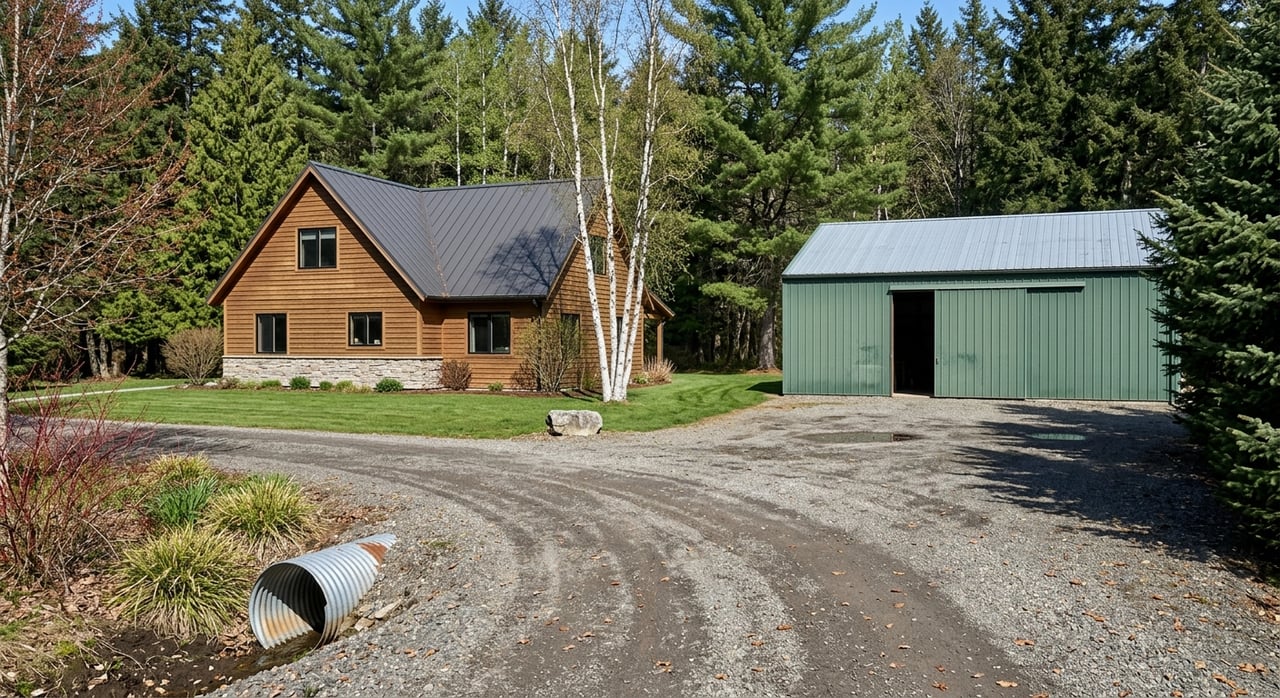
Wondering why selling acreage or a farmstead in Bagley feels more complicated than selling a house in town? That is because buyers are not just looking at your home. They are sizing up the whole property, from access and boundaries to outbuildings, woods, fields, and how the land can be used. If you want to sell with confidence, it helps to understand what rural buyers notice first and how to present your property clearly from day one. Let’s dive in.
Why Bagley acreage sells differently
Bagley sits in a very rural part of Clearwater County. County planning materials describe agriculture as the dominant land use, with major forest and public land areas also shaping the landscape. The county’s 2020 Census density was 8.5 people per square mile, and the 2022 USDA county profile reported 404 farms covering 159,856 acres, with an average farm size of 396 acres.
That local setting matters when you sell. In and around Bagley, buyers often view acreage and farmsteads as complete rural properties, not simply homes with bigger yards. They want to understand how the land lays out, how it functions, and whether the property supports their plans.
Bagley’s access to outdoor recreation also plays a role. With Lake Lomond, Itasca State Park, and local opportunities for hiking, snowmobiling, skiing, canoeing, golfing, and fishing, some buyers may be drawn to the area for a rural lifestyle as much as the house itself. That means your listing needs to tell the full property story.
Start with boundaries and records
One of the first steps in preparing a Bagley-area acreage sale is confirming what you are actually selling. Clearwater County’s surveyor office handles boundary information, easements, rights-of-way, land divisions, platting, and property descriptions. The county also notes that its GIS data comes without guarantee and does not provide GPS coordinates for property corners.
That is a strong reason to verify details early. If your corners, fence lines, drives, or outbuilding locations raise questions, it is better to address them before photos, marketing, and showings begin.
A buyer looking at acreage usually wants clear answers fast. If you can explain where the lines are, what access rights apply, and whether there are known easements, you reduce confusion and help the property feel more straightforward.
Make access easy to understand
On a rural property, access is not a small detail. It is one of the first things buyers will evaluate because they want to know how they, their guests, and their equipment will reach the property year-round.
Practical land-use guidance for small farms and homesteads treats reliable vehicle and equipment access as essential. If a parcel does not have direct frontage, documented access easements can become especially important.
In Clearwater County, driveway access also matters for logistics. The county requires a driveway to assign an E-911 address to a habitable structure, and bare land is not addressed. For sellers, that makes the road approach, driveway condition, entrance location, and general usability important parts of both marketing and buyer confidence.
Clean up the land, not just the home
Many sellers focus on the house first, which makes sense, but acreage buyers notice much more than the interior. They often walk the grounds carefully and pay close attention to what is stored, parked, stacked, or hidden around the property.
Extension guidance on rural land warns that parcels may have trash piles, abandoned vehicles, or older storage buildings that can hide chemicals or other hazards. It also notes that winter or leaf-off conditions can reveal issues that summer growth may cover up.
Before listing, it helps to do a full property walk. Remove debris, organize equipment, decide what stays and what goes, and take a hard look at older sheds, fencing, and visible trouble spots. A cleaner property is easier to photograph, easier to explain, and easier for buyers to picture as their own.
Build a simple map buyers can follow
One of the best ways to market acreage is to make it legible. Buyers should be able to tell where the home sits, where the driveway comes in, how the land is divided, and what parts of the property are open, wooded, wet, or improved.
Rutgers Extension recommends a base farm map that identifies fields, farmstead areas, barnyards, wetlands, woods, fences, wells, and driveways, ideally starting with a boundary survey when one is available. That advice translates well to Bagley-area listings.
A strong marketing package often includes layers that help buyers understand the parcel quickly, such as aerial views, topography, roads, and visible land features. Clearwater County’s GIS tools provide parcel, road centerline, address-point data, and printable aerial imagery that can help explain the property layout.
Show the whole property in photos
A rural listing needs more than a few nice house photos. Most buyers start online, and the photo package needs to explain how the property works before they ever schedule a showing.
For acreage and farmstead listings, that usually means showing:
- The road approach
- Driveway entrance
- Front and rear exterior views
- Yard and open areas
- Outbuildings and barns
- Field edges
- Wooded sections
- Fence lines
- Water features, if present
- The relationship between the house and the land
Professional visuals matter here. Buyers who like what they see online expect the in-person property to match that presentation, so honest and complete photography is important.
Why aerial images matter
Drone photography can be especially useful for Bagley acreage. Aerial images help buyers understand shape, access, building placement, and the distance between different parts of the property in a way that ground photos alone usually cannot.
Extension guidance from Oregon State notes that drones can capture high-resolution aerial photos over smaller properties and that georeferenced photos can connect to digital maps. For sellers, that means aerials can turn a confusing rural parcel into something much easier to understand.
This is one reason presentation matters so much with acreage. When the land is part of the value, buyers need visuals that help them see the full picture.
Improve the first impression from the road
Curb appeal looks different on acreage than it does in town. The first impression often starts at the road, not the front porch.
For many Bagley-area properties, that means buyers notice the driveway entrance, mailbox, gate, tree clearing, and first view into the property before anything else. If that entrance feels messy, hard to find, or poorly maintained, it can create doubt before the showing really begins.
A simple refresh can go a long way. Clear brush where appropriate, tidy the entrance, make the driveway easy to follow, and create a clean arrival experience that matches the rest of your marketing.
Answer buyer questions before they ask
Buyers looking at farmsteads and acreage tend to ask practical questions. They want to know whether the property works, not just whether it looks good in photos.
In the Bagley area, common buyer questions often center on:
- Can I access the property easily year-round?
- Where are the property lines?
- What parts of the land are open, wooded, or mixed?
- Are the outbuildings usable?
- Where are the drive lanes, wells, and major site features?
- What does the land appear to support?
The more clearly your listing answers those questions, the stronger your marketing becomes. Buyers are more likely to engage when they feel they understand the property before they arrive.
Explain the land type clearly
Clearwater County’s land-use mix is not one-size-fits-all. County planning materials describe northern Clearwater County as having a solid share of agricultural land, the southern part of the county as primarily forested, and the middle as more mixed. The USDA county profile also shows cropland, pastureland, and woodland all playing meaningful roles in local farms.
That means your listing should clearly describe what kind of acreage buyers are seeing. Is it mostly open ground, hobby-farm pasture, wooded acreage, or a mix of uses? If buyers have to guess, they may move on.
Clarity helps attract the right audience. It also saves time by setting better expectations before the first call or showing request.
Pricing should reflect rural reality
Pricing acreage in Bagley is rarely as simple as comparing square footage alone. Buyers are evaluating the home, land mix, access, outbuildings, and overall usability together.
Clearwater County’s assessor maintains land ownership maps and a sales file, which can provide helpful background for understanding how local rural parcels have been transferring. That local context matters because rural properties often vary widely from one another.
A good pricing strategy looks at the property as a whole. It should reflect what makes the parcel understandable, usable, and marketable in this specific area.
A smarter way to market a Bagley farmstead
Selling acreage well usually comes down to one thing: making the property easy to understand. When boundaries are clearer, access is visible, land features are mapped, and buildings are shown honestly, buyers can make faster and more confident decisions.
That is where strong presentation makes a difference. A well-prepared listing with professional photography, video, and a clear story gives your property a better chance to stand out, especially when buyers are comparing several rural options online.
If you are thinking about selling acreage or a farmstead in Bagley, working with a team that understands rural presentation can help you avoid confusion and show your property at its best. To get started, connect with Parker Cermak for guidance on pricing, preparation, and high-exposure marketing tailored to northern Minnesota properties.
FAQs
What makes selling acreage in Bagley different from selling a house in town?
- Buyers usually evaluate the entire rural property, including access, boundaries, land use, outbuildings, and overall layout, not just the house.
What should you do before listing a farmstead in Bagley?
- Confirm boundary details, review easements or rights-of-way, clean up debris and unused items, and prepare simple maps or visuals that help buyers understand the property.
Why is access important when selling rural property in Clearwater County?
- Buyers want to know they can reach the property reliably, and Clearwater County also requires a driveway to assign an E-911 address to a habitable structure.
What photos matter most for a Bagley acreage listing?
- A strong listing should show the road approach, driveway, house, yard, outbuildings, field edges, woods, fence lines, and any other features that help explain how the land functions.
Why do aerial photos help sell a farmstead in Bagley?
- Aerial images help buyers quickly understand the parcel’s shape, access points, building placement, and the relationship between the home and the surrounding land.
How should a Bagley seller describe the land itself?
- The listing should clearly explain whether the property is open ground, wooded acreage, pasture, or mixed-use land so buyers can tell if it fits their needs.